 more9game.com
Book the Chaos: WWE 2K26 Is a Wrestling Writer’s Room Disguised as a Video Game
Every great wrestling story begins with a question.
Who deserves to be champion? Which friendship is about to collapse? Can a former hero return from defeat, or will the temptation of power turn them into the villain everyone loves to hate?
These questions are what make professional wrestling more than a sequence of matches. The ring provides the action, but rivalries, betrayals, comebacks, and unexpected alliances give that action meaning.
WWE 2K26 places players in the middle of this spectacle. Its roster of Superstars and Legends provides the cast, its match types supply the drama, and its different game modes offer ways to revisit wrestling history or create an entirely new one. With Universe mode's booking tools and MyRISE's career-defining decisions, players can approach the experience as competitors, promoters, and storytellers.
The result is a game with a particularly entertaining possibility: the greatest wrestling show you experience might be the one you invent yourself.
1. Forget the Scoreboard. Think About the Story.
A wrestling match has two outcomes that matter: who wins, and what that victory means.
Imagine a rising Superstar defeating an established champion. On paper, it is a straightforward upset. But the same result can tell several different stories.
Perhaps the newcomer has finally earned respect after months of setbacks. Perhaps the champion underestimated a dangerous challenger. Or perhaps the victory is controversial, creating a feud that becomes more personal with every rematch.
The match itself might look similar in each scenario, but its place in the larger story changes everything.
This is an enjoyable way to approach WWE 2K26. Instead of treating every match as an isolated contest, think about what happens before and after the bell. A victory can establish a new star, while a defeat can provide the beginning of a comeback.
Even a championship change can become more interesting when it creates another question. Will the new champion prove that the win was deserved? Will the former champion demand revenge? Could a third Superstar take advantage of the conflict?
Suddenly, the next match has a reason to exist.
The best wrestling stories make players curious about what happens next, and that curiosity can be just as important as the final result.
2. Universe Mode Is Your Personal Wrestling Writers’ Room
Universe mode is where the fantasy of running a wrestling promotion becomes particularly appealing. Rather than simply watching a prearranged season unfold, players can shape shows, rivalries, match outcomes, and the broader direction of their own WWE world.
WWE 2K26 expands this creative side with additions such as the WWE Draft, a Universe Creation Wizard, Watch Show mode, and additional promo options.
Think of Universe mode as an ongoing television series.
Your roster is the cast. Weekly shows are the episodes. Premium Live Events are the season finales where months of tension can finally explode. Championships become the prizes everyone wants, and rivalries provide the conflicts that keep the audience invested.
You can create a dominant champion who refuses to acknowledge a worthy challenger. You can build a tag team that begins as an unstoppable partnership and slowly develops cracks. You can even use roster changes to separate allies or bring bitter rivals onto the same show.
The WWE Draft adds another layer to this imaginary writers’ room. Moving Superstars between shows can change the balance of power and create new matchups that were previously impossible within your roster setup.
The important part is consistency. A rivalry becomes more meaningful when its matches feel connected, its characters have recognizable motivations, and its conclusion reflects what happened along the way.
You are not merely scheduling matches. You are deciding which stories deserve the spotlight.
3. The Most Interesting Character Might Be the Villain
Every wrestling era has its heroes, but heroes alone rarely create the most memorable drama.
A beloved Superstar can become more interesting after a shocking betrayal. A villain can become a fan favorite by repeatedly coming close to victory. A once-dominant champion can discover that the audience has stopped believing in them.
These transformations are what make character alignment so useful when creating a wrestling universe.
In WWE 2K26's MyRISE, players take control of a returning Superstar known as The Archetype, whose comeback becomes complicated by defeat and a series of important decisions. The storyline allows players to shape the character's direction, choosing between a more honorable path and a more deceptive pursuit of championship glory.
That premise captures a classic wrestling question: how far should someone go to reach the top?
A heroic character may refuse to take shortcuts, even when the opponent plays dirty. A villain may decide that winning matters more than reputation. Neither path has to be interesting simply because it is labeled good or bad. The drama comes from what the character is willing to sacrifice.
The same thinking can enrich stories you create elsewhere in the game. A champion who constantly cheats might eventually face an opponent who refuses to stay down. A popular Superstar might become arrogant after a series of victories. A former rival could become an unlikely ally when a bigger threat emerges.
Sometimes the most compelling character development begins when a Superstar stops behaving as expected.

4. CM Punk and the Art of Rewriting Wrestling History
Wrestling history is full of moments that fans debate long after the original match has ended. What would have happened if a rivalry had taken a different turn? What if a wrestler had never left? What if two major names from different eras had met at the peak of their careers?
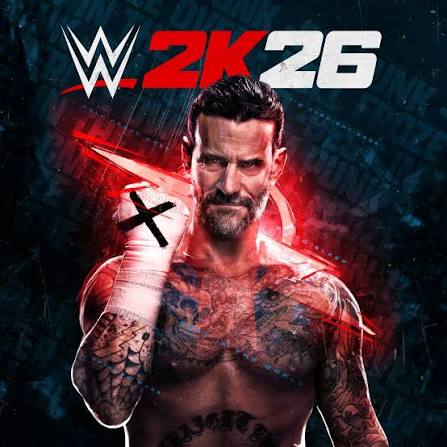
WWE 2K26 explores that fascination through its CM Punk-focused 2K Showcase, titled Punked. The mode revisits important moments from Punk's career and includes fantasy matchups that allow players to explore alternate wrestling scenarios. <Cite refs={["turn983884search2","turn983884search5"]}/>
The concept is more than nostalgia. It taps into a part of wrestling fandom that has always enjoyed imagining alternate timelines.
A famous match can be remembered for the person who won, but the losing wrestler may have had a story just as compelling. A rivalry can become legendary because of what happened, while its unrealized possibilities remain fascinating because they never happened.
Fantasy matchups let players explore that space between wrestling history and imagination.
What would happen if a rebellious outsider confronted a legendary icon? How might a different opponent change the rhythm of a familiar story? What if a wrestler's most important career moment ended in a completely different way?
The appeal is not that an alternate outcome replaces the original. It is that the game lets you play with the possibilities.
For longtime fans, this makes Showcase feel like stepping into a wrestling time machine. For newer players, it offers a way to experience a selection of major rivalries and larger-than-life personalities through interactive matches.
And once history becomes playable, rewriting it becomes part of the fun.
5. Every Match Type Is a Different Kind of Movie Scene
A wrestling match is not just a contest between two health bars. Its rules can change the entire atmosphere of a rivalry.
A standard match might represent a clean test of skill. A grudge match can feel like the release of weeks of resentment. A stipulation match can turn the ring into a place where normal expectations no longer apply.
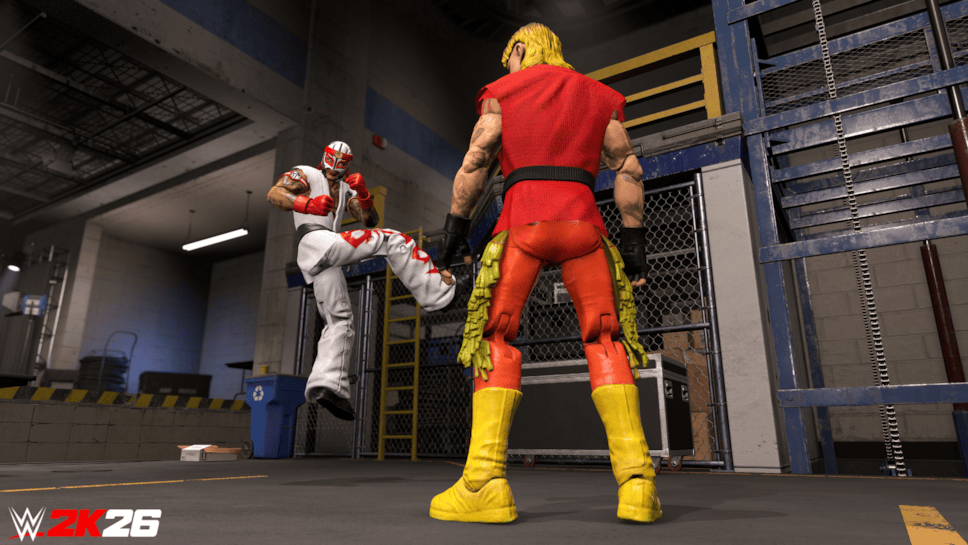
WWE 2K26 introduces four notable match types: Dumpster Match, I Quit Match, Three Stages of Hell, and Inferno Match. The official game announcements also highlight interactive environments and usable objects, creating more opportunities for the action to spill beyond the conventional rhythm of a match. <Cite refs={["turn983884search6","turn983884search7"]}/>
Each stipulation suggests a different kind of story.
The I Quit Match is built around a particularly personal question: which competitor is willing to endure more before admitting defeat? It suits a rivalry in which pride matters as much as the official result.
Three Stages of Hell naturally creates a sense of escalation. Rather than presenting one self-contained confrontation, it frames the contest as a series of increasingly consequential challenges.
The Dumpster Match evokes the exaggerated spectacle of wrestling at its most chaotic, while the Inferno Match brings a distinctive, high-stakes atmosphere to the confrontation.
The best way to think about these options is as different forms of dramatic punctuation.
Not every rivalry needs the biggest stipulation available. When every conflict becomes an extraordinary spectacle, the spectacle itself can lose its impact. A heated personal feud may benefit from a more dramatic match type, while a developing rivalry might be better served by several encounters that gradually raise the stakes.
Choose the kind of match that fits the story you want the audience to remember.
6. The Roster Is an Ensemble Cast, Not a Shopping List
A roster of hundreds of wrestlers creates obvious possibilities for dream matches. But the most entertaining fantasy booking often comes from thinking about the relationships between characters rather than simply choosing the biggest names.
A legend can represent the old guard. A rising Superstar can represent a new generation. A technically skilled competitor might clash with a powerhouse whose strategy is built around overwhelming opponents. Two popular wrestlers could form a tag team whose success eventually creates tension over who deserves the spotlight.
WWE 2K26 features more than 400 playable Superstars and Legends, according to its official product information. <Cite refs={["turn983884search2","turn983884search7"]}/> That breadth gives players a large cast for constructing their own version of wrestling history.
One approach is to build a promotion around a central conflict.
Perhaps established stars are trying to preserve their positions while younger competitors demand opportunities. Maybe one championship is held by an unbeatable veteran while several challengers fight to become the person who finally dethrones them. Or perhaps a group of wrestlers forms an alliance to control the show, only to discover that every member has their own ambitions.
The roster becomes more engaging when each person has a reason to be there.
A Superstar does not need to win every match to matter. A difficult loss can reveal vulnerability. A surprise victory can alter a character's standing. Even a brief appearance can set up a larger rivalry if it creates an unanswered question.
The goal is to make the cast feel connected, not simply crowded.

7. Promos Are Where the Next Fight Really Begins
The bell may begin a wrestling match, but the conflict often starts long before the opening move.
A confrontation at the microphone can reveal what one wrestler wants, why another refuses to back down, or which personal insult has turned an ordinary title defense into a heated rivalry.
This is why promos are important to wrestling storytelling. They give matches context.
WWE 2K26 expands Universe mode's promo options, including segments in which a Superstar can make announcements about their future, challenge another competitor, or interrupt an existing confrontation. Some of these choices can influence the direction of a character or the next match. <Cite refs={["turn983884search0","turn983884search3"]}/>
Imagine a champion announcing that they have defeated every credible challenger. A former rival interrupts and argues that the champion has avoided the one opponent who matters. The champion agrees to the match—but chooses the venue or timing to gain an advantage.
The upcoming fight now has a premise.
A promo can also change the audience's perception of a character. Someone who was once sympathetic might reveal a selfish motive. A boastful villain might expose insecurity beneath their confidence. Two rivals could discover that they share a common enemy, creating the possibility of an uneasy alliance.
The useful question is not simply, "Who fights next?"
It is, "Why should anyone care when these two finally meet?"
When that question has a compelling answer, the match already has a story before either wrestler enters the ring.
8. The Best Rivalries Need a Beginning, a Complication, and an Ending
A rivalry that repeats the same confrontation without changing anything can quickly lose its impact. A compelling rivalry evolves.
First comes the spark: an insult, an unexpected defeat, a championship challenge, or a betrayal. The audience learns what separates the two competitors and why the conflict matters.
Next comes the complication. One wrestler wins when the other expected victory. A teammate becomes involved. A champion begins to doubt their position. The rivalry develops new layers, making the eventual conclusion more meaningful.
Finally comes the payoff. The decisive match should resolve the central question—or deliberately create a new one.
This structure works especially well when building a Universe schedule across weekly shows and major events.
For example, a rising contender could lose their first title opportunity after making a costly mistake. In the following weeks, they earn another chance while the champion begins dismissing them as undeserving. A heated confrontation then changes the nature of the rivalry, making the rematch personal rather than purely competitive.
At the major event, the challenger can finally win, lose after a hard-fought contest, or discover that another rival has been waiting for the outcome.
Each choice creates a different future.
Not every story needs a happy ending. A failed comeback can be tragic. A villainous champion can escape with the title and become even more arrogant. An unexpected alliance can become the foundation of a future betrayal.
What matters is that the result feels connected to what came before.
9. The Audience Remembers Feelings, Not Just Finishers
Spectacular moves and dramatic victories are part of wrestling's appeal, but the moments that linger often carry emotional weight.
The underdog who survives one final assault. The champion who realizes the challenger is no longer afraid. The teammate who hesitates at ringside instead of helping. The former enemy who offers a handshake that might be sincere—or might be the beginning of another betrayal.
These moments give the action meaning because they suggest something beyond the immediate contest.
WWE 2K26's mix of career storytelling, Universe customization, interactive entrances, and updated presentation offers different ways to shape the atmosphere surrounding a match. <Cite refs={["turn983884search6","turn983884search7"]}/>
Players can use that broader presentation to make a Superstar feel important before a match even starts. A returning legend can be treated as a major event. A champion can enter with the confidence of someone who believes the show belongs to them. A defeated wrestler can return with a changed attitude and something to prove.
The trick is contrast.
If every match is presented as the most important event in history, the audience has little room to feel that the stakes have increased. A quiet, decisive victory can sometimes be more effective after a chaotic rivalry. A clean handshake can mean more after weeks of hostility than another elaborate betrayal.
A memorable wrestling universe gives its moments room to breathe.
10. Your Greatest WWE 2K26 Creation May Never Be an Official Story
The attraction of a wrestling game is often measured through its roster, match mechanics, and headline features. But a sandbox experience creates another kind of value: the unexpected stories that emerge when players take control.
One player's universe might become a nostalgic celebration of wrestling legends. Another might focus on building a new generation of champions. Someone else might create an unpredictable promotion where alliances collapse, underdogs rise, and no title reign seems safe.
Community creations add another dimension to that creative approach, while expanded creation options in WWE 2K26 give players more room to shape their own wrestling world. <Cite refs={["turn983884search0","turn983884search3"]}/>
The most interesting results do not always follow a perfect script. An unexpected match outcome can inspire a new rivalry. A wrestler who was originally meant to be a short-term champion might become the center of an entire season. A match that was intended as a minor event can turn into the highlight of the show.
That unpredictability is part of the appeal.
You can enter the game with a carefully planned season and still discover a better story along the way. You can recreate the kind of wrestling show you grew up watching—or create something that could never have happened on television.
The difference between simply playing matches and creating a wrestling universe is that each result becomes an opportunity to imagine what should happen next.
Conclusion: The Bell Rings, but the Story Is Yours
WWE 2K26 offers more than the thrill of controlling famous wrestlers inside the ring. It gives players the ingredients for building rivalries, revisiting career-defining moments, creating new champions, and shaping a wrestling world that reflects their own imagination.
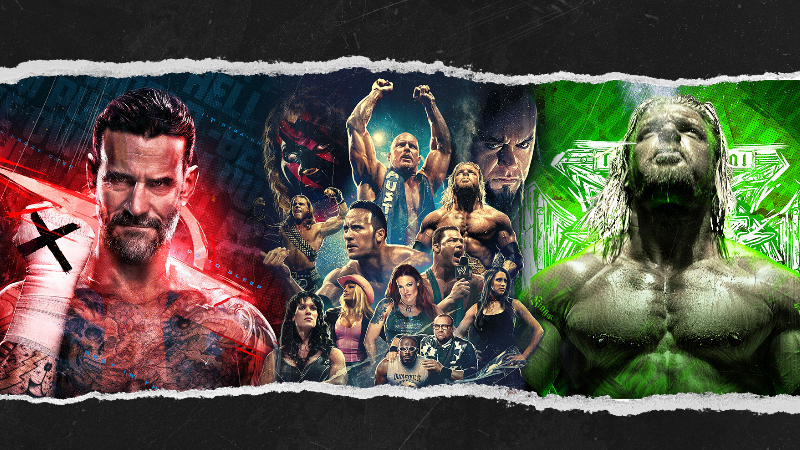
Universe mode can turn scheduling and rivalry creation into an ongoing drama. MyRISE explores the decisions behind a career comeback. Showcase invites players to revisit CM Punk's history and explore alternate wrestling scenarios. Different match types give conflicts their own tone, from personal confrontations to outrageous spectacle.
Together, these elements make WWE 2K26 especially appealing to players who enjoy the creative side of wrestling as much as the action.
A championship victory can be the conclusion of a long struggle, the beginning of a new rivalry, or the first step toward a character's downfall. A betrayal can destroy one story and create several more. A match that seems ordinary at first can become unforgettable when its result changes everything.
The game provides the stage, the roster, and the rules.
You decide who becomes a legend, who falls from grace, and which rivalries the audience will still be talking about when the show goes off the air.