.webp)





Witchfire, developed by The Astronauts, has emerged as a highly anticipated title, offering a unique blend of first-person shooting mechanics and dark fantasy elements. The game immerses players in a hauntingly beautiful world filled with witches, dark magic, and relentless action. While the visuals and gameplay have garnered significant praise, one primary issue stands out: the challenge of balancing fast-paced combat with story engagement. As players find themselves caught in intense battles and intricate mechanics, the narrative can sometimes feel overshadowed. This article delves into how Witchfire navigates this duality and the implications for player experience.
Introduction: Setting the Tone in Witchfire
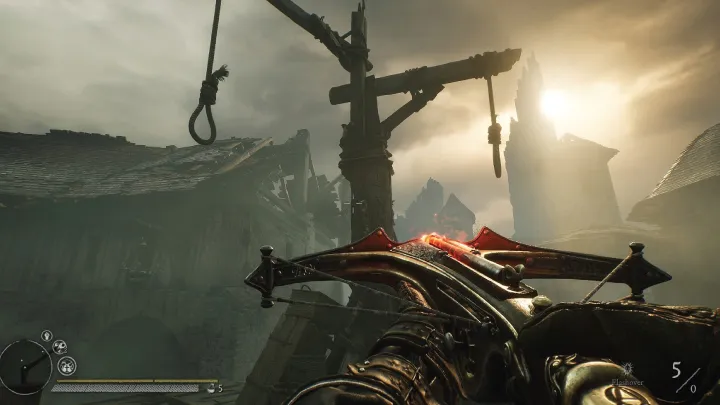
Witchfire invites players into a meticulously crafted universe where dark fantasy meets gunplay. Set in a war-torn world consumed by magic and malevolence, players step into the role of a witch hunter, battling supernatural forces with a variety of weapons and abilities.
Aesthetic Design
From the outset, the game captivates players with its gothic art style, seamlessly blending lush landscapes with eerie details that evoke a sense of dread and wonder alike. The atmosphere provides a rich backdrop for gameplay, drawing players deeper into the narrative.
The Role of Art in Storytelling
Art direction isn't merely for aesthetics; it also informs the player about the lore and emotional tone of the setting. The environments and character designs tell stories before players even engage with the narrative.
The Core Game Loop: Action-Packed Combat
Combat is the heart of Witchfire, and the developers have designed an engaging system that requires players to be constantly on their toes. Fusing mechanics from first-person shooters with magic-based abilities creates a unique blend of gameplay that keeps players engaged.
Fast-Paced Mechanics
Players are encouraged to utilize a combination of firearms and magical attacks, resulting in fluid gameplay that allows for dynamic engagements. The gameplay loop is centered around quick reflexes, strategic decision-making, and adaptability.
Weapon Variety
The game offers a diverse range of weapons, each with unique abilities and mechanics. Players can customize their loadouts, providing opportunities for players to tailor their gameplay style.
Designing for Intensity
The core challenge of fast-paced combat lies in its demand for player focus. As the action escalates, the attention required can disrupt engagement with the narrative elements.
Managing Complexity
The game must ensure that mechanics are easy to learn but difficult to master. Maintaining a complexity that does not overwhelm players while still providing a satisfying challenge is a delicate balance.
Narrative Structure: Weaving Story into Gameplay
The story in Witchfire revolves around a world rife with conflict and intrigue, yet integrating this narrative into the gameplay mechanics proves challenging.
Background Lore
The game's backstory is rich with lore concerning witch trials, forbidden magic, and ancient artifacts. These elements could potentially serve as strong motivators for players seeking to immerse themselves further into the haunting world.
Challenges of Story Integration
However, while the lore provides depth, the challenge arises when attempting to weave it seamlessly into the combat-heavy gameplay. If not executed well, narrative elements can feel tacked on rather than intrinsic to the experience.
Dialogues and Quests
Player interactions with NPCs serve to advance the narrative; however, these moments can disrupt the flow of combat. Players may prefer uninterrupted action, which can make slower narrative beats feel cumbersome.
Balancing Engagement
To balance this aspect, developers must find a way to integrate storytelling that enhances gameplay rather than detracting from its intensity. This could involve brief cutscenes or environmental storytelling interspersed throughout combat sections.
Environmental Storytelling: Enhancing the Player Experience
In Witchfire, environmental storytelling plays a pivotal role in world-building and narrative immersion.
Interactive Environments
The game features environments that invite players to explore, revealing lore through the architecture, people, and artifacts scattered throughout the world. This method of storytelling allows for organic engagement with the narrative.
Layered Artwork
Details such as decrepit buildings, magical symbols, and remnants of past battles contribute to telling the story of the world without interrupting gameplay. This method of integrated storytelling serves to engross players while they engage in combat.
Creating Discovery Mechanisms
Incorporating hidden lore clips or environmental cues can engage players in a rewarding discovery process as they uncover pieces of the narrative.
Suggestions for Improvement
- Lore Collection: Introducing lore scrolls or items that players can collect while traversing the world can deepen the narrative experience.
- Hidden Pathways: Creating pathways that lead to lore-rich locations can provide gameplay rewards while enriching the story.
Character Development and Player Agency
The development of characters in Witchfire offers an opportunity to deepen narrative engagement. However, challenges arise in creating meaningful connections between the players and characters.
Protagonist Relationships
The protagonist’s motivations, desires, and relationships should weave through the narrative and gameplay. Establishing emotional stakes helps players invest in the character’s journey.
Dynamic Interactions
Ultimately, the relationships that the protagonist forges with NPCs or the world itself can create enriching experiences beyond mere action. However, players must feel agency in driving these interactions forward.
Balancing Character Agency
While player agency is crucial to the Witchfire experience, there’s a fine line between giving players meaningful choices and maintaining a coherent story. The game should offer interactions that feel relevant and impactful.
Suggestions for Agency Improvement
- Interactive Dialogue: Incorporating dialogue options that can influence how characters react to the protagonist would deepen investment.
- Visceral Moments: Opportunities for significant emotional choices at critical moments could enhance engagement with the narrative.
Community Reactions and Feedback
Player feedback is invaluable for guiding the ongoing development of Witchfire. As players engage with the game, it’s crucial to monitor their reactions to aspects such as narrative, mechanics, and overall enjoyment.
Early Access Feedback
During early testing phases, developers can gather player insights regarding the balance between combat and narrative elements. Feedback on pacing can inform necessary adjustments before official launch.
Areas of Focus
- Combat Fluidity: Observing how players respond to combat mechanics can lead to adjustments that enhance engagement.
- Narrative Clarity: Understanding player experiences with narrative pacing and structure can help refine storytelling methods.
Implementing Community Insights
By actively incorporating player feedback, developers can ensure that Witchfire addresses concerns and fosters a dedicated player base. Consistent updates based on community feedback reinforce trust between developers and players.
Post-Launch Support and Future Content
As Witchfire launched, ongoing support is crucial for maintaining interest and enhancing the overall gameplay experience. Developers have the opportunity to expand upon the foundation established during release.
Planned Content Updates
Expansions may offer additional quests, characters, or mechanics, enriching the narrative and gameplay experience. This commitment to ongoing development can keep players engaged.
Engaging Seasonal Events
Incorporating seasonal events or limited-time challenges can create excitement and encourage return visits to the game. Unique narratives tied to these events can foster a sense of urgency and community.
Building Community Trust
Creating a vibrant community that feels engaged and valued is essential for the success of Witchfire. Through responsive development and ongoing engagement, players are more likely to remain invested in the experience.
The Future of Witchfire: Legacy and Innovation
As Witchfire continues to evolve, striking a balance between combat, exploration, and narrative engagement will define its legacy in the gaming landscape.
Evolving the Narrative
Continually expanding the lore and world-building will ensure that players remain invested and curious about what lies ahead. Engaging narratives will draw players deeper into the immersive world.
Introducing New Factions or Characters
New factions or characters can enhance depth and intrigue, providing fresh storylines and gameplay mechanics.
Continuous Improvement
By addressing challenges and refining the gameplay experience, Witchfire has the potential to make a lasting mark in the action RPG genre. As it navigates the balance between combat and narrative depth, player engagement will remain paramount.
Conclusion
Witchfire is poised to be an influential title in the action RPG landscape, blending fast-paced combat with dark narratives. However, the challenge of balancing combat engagements with deep storytelling remains a critical concern. By focusing on player feedback and refining core mechanics, the developers can elevate the experience for both new and returning fans. As the game continues to evolve, its ability to meld explosive action with a captivating narrative will determine its lasting impact within the gaming community.