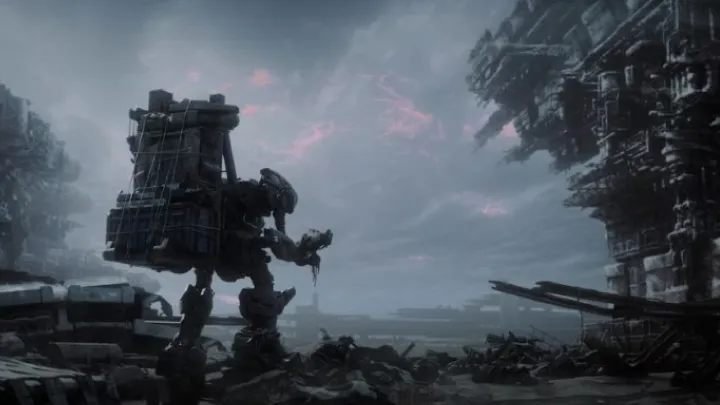

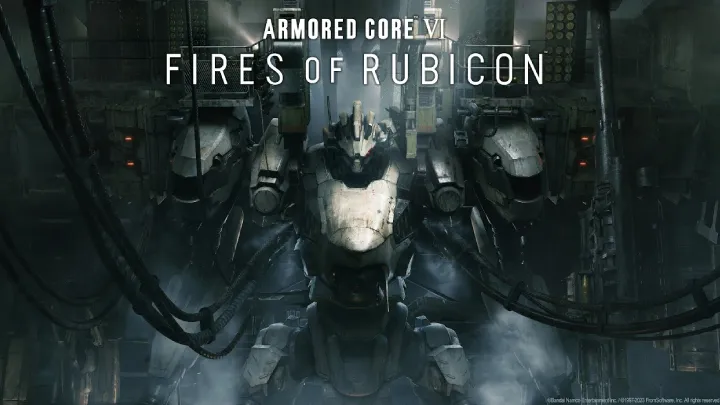
Armored Core VI: Fires of Rubicon marks a triumphant return for FromSoftware's beloved mech franchise, reintroducing players to the high-stakes world of mech combat. Unlike other games in the genre, Armored Core VI dives deep into themes of identity, agency, and the consequences of technological advancement. In this article, we will explore the battle for identity in Armored Core VI, focusing on how the game’s narrative, character development, and mech customization mechanics reflect and challenge the notions of self and purpose.
Introduction
In the bleak, war-torn world of Rubicon, players assume the role of a customizable mech pilot navigating complex moral dilemmas. As they interact with various factions and uncover secrets about the planet's past, players face questions about their identity and the choices they make. The actions taken during gameplay not only influence the narrative outcome but also explore broader themes of agency and self-realization. Through intricate world-building and compelling character arcs, Armored Core VI positions identity as a central theme vital to understanding its narrative and gameplay mechanics.
Setting the Stage: The World of Rubicon
A Post-Apocalyptic Landscape
Armored Core VI is set on Rubicon 3, a desolate planet that has been ravaged by resources wars and corporate greed. The environment reflects the devastation and chaos, creating a world where survival hinges on technological supremacy.
- Cultural Decay:
- The remnants of once-great civilizations are scattered throughout the landscape, showcasing a society that has succumbed to its own technological advancements. Ruins, discarded technologies, and environmental hazards all serve as reminders of what humanity has lost.
- The catastrophic events leading to the planet's current state mirror the destructive nature of unchecked ambition, prompting players to reflect on their own technological dependencies.
- Factions and Power Struggles:
- The presence of competing factions, such as corporations and mercenary groups, adds to the sense of societal division. Each faction embodies different ideologies and motivations, further complicating the relationship between technology and identity.
- Players are thrust into the power dynamics of these factions, forcing them to consider their own beliefs and allegiances as they navigate a morally ambiguous world.
The Mechs: Extensions of Identity
At the heart of Armored Core VI is the mech—the primary means of combat and identity for players. Customization becomes not just a gameplay mechanic but a central method of self-expression.
- Personalization through Customization:
- Players can modify their mechs with various parts, weapons, and paint jobs, creating a unique avatar that reflects their preferences and play styles. This personal connection to their mech symbolizes the intertwining of identity and technology.
- Customization options go beyond mere aesthetics; different parts influence how the mech operates, encouraging players to think strategically about how they wish to embody their chosen identity in combat.
- Mechs as Reflections of Self:
- The decisions made during the mech customization process invite players to consider the implications of their choices. Each part selection can represent an aspect of the player’s personality, whether they lean towards aggressive tactics or defensive maneuvers.
- As players refine their mechs, they engage in a form of self-discovery, exploring how their in-game persona reflects their real-world beliefs and values.
The Pilots: Lost and Found
The Role of the Pilot
Within the game’s mech-focused narrative, the pilot behind the mech is as crucial as the machine itself. Players navigate complex relationships and internal conflicts that help shape their identities.
- The Unnamed Protagonist:
- Armored Core VI introduces an unnamed pilot whose background is intentionally vague. This design choice allows players to project their experiences and ideals onto the character, creating a more personalized narrative experience.
- As the pilot navigates through various factions and missions, their evolution symbolizes the universal struggle for self-definition in uncertain circumstances.
- Memories and Trauma:
- The narrative unfolds secrets about the pilot's past, hinting at lost memories and a troubled history. These elements accentuate themes of identity as players grapple with the impact of their character's history on their present decisions.
- Engaging with the pilot's fragmented memories allows players to reflect on their understanding of self, questioning how past experiences shape one’s choices and perceptions.
Relationships with Other Characters
The interactions with various characters throughout the game further illuminate the theme of identity. Each character embodies unique perspectives and relationships with technology and power.
- Factions and Allies:
- Encounters with faction leaders and allies provide insights into the conflicting motivations that shape identity. Characters like Kisaragi and the antagonistic role of the corporations offer varying philosophies about the use of technology and its consequences.
- The discussions around ethical dilemmas and personal stakes heighten the emotional engagement, reinforcing the idea that identity is often forged in relationships and confrontation.
- Influence of Companionship:
- The dynamic relationships created through dialogue and missions encourage players to consider how their choices impact both themselves and the allies they navigate alongside. The importance of camaraderie in a chaotic environment highlights the interconnected nature of identity.
- As players engage with these relationships, they can experience how identity evolves through shared experiences, victories, and losses.
The Nature of Choice: Agency and Consequence
The Weight of Decisions
In Armored Core VI, player agency is paramount. Choices made throughout the game shape not only the narrative but also the pilot's identity.
- Moral Complexity:
- The narrative is rife with morally complex decisions that challenge players to choose between conflicting interests. Each action carries weight, prompting players to ponder the long-term consequences of their choices on their identity and the world.
- The ambiguity of these decisions reinforces the idea that the path to self-discovery is often fraught with ethical dilemmas, reflecting the complexities of real-world situations where right and wrong may not be clear.
- Branching Pathways:
- The game’s branching paths allow players to explore multiple outcomes based on their choices, creating a narrative framework where identity is not fixed but continually evolving. This fosters engagement by encouraging players to reflect on their decisions and revisit previous choices.
- The varied endings related to player decisions emphasize that identity is not a singular journey but a constellation of influences shaped by interactions, beliefs, and choices.
Exploring Redemption
Armored Core VI emphasizes the possibility of redemption as a significant theme intertwined with player choices.
- Room for Growth:
- Redemption is depicted as an achievable goal despite past misdeeds. Fostering relationships and assisting others can lead to reconciliation, allowing players to redefine their identities in a meaningful way.
- The missions often test players’ commitment to their values and whether they can transcend previous failures. This struggle serves as a reminder that identities are not static and can evolve through conscious choices.
- Character Transformation:
- Players may face adversities that resonate with their notions of redemption. Engaging with other characters and navigating the complexities of their pasts enables opportunities for understanding and growth.
- As characters grapple with their past mistakes, players learn that identity involves constant transformation—a journey marked by both achievements and missteps that inform their present selves.
The Interplay of Technology and Humanity
The Duality of Existence
Armored Core VI intricately dives into the tension between technology and human identity, exploring how both coexist and conflict.
- Mech Combat as Expression:
- The gameplay mechanics center around mech combat, which becomes a metaphor for survival and assertion of self within the chaotic landscape. Players exercise control over the mech, allowing them to engage physically and mentally with the conflicts around them.
- This engagement raises questions about human reliance on technology. Is the pilot merely the operator of the machine, or do they become one entity? The line between human and technology blurs, inviting players to examine their views on identity.
- The Fear of Dehumanization:
- The game presents a future where characters might lose their humanity in favor of technological enhancements. Players confront the anxiety that accompanies dependence on machines for survival and combat.
- This theme resonates with larger societal concerns about the increasing integration of technology into human life, prompting players to consider how identity is influenced by external tools and advancements.
Embracing Humanity
Despite the game’s focus on technology, it underscores the essence of humanity through emotional connections and experiences.
- Character Depth:
- The interpersonal relationships and moral dilemmas compel players to reinforce that while technology is a critical element, it does not define one’s entire identity. Core aspects of humanity—empathy, understanding, and connection—remain fundamental.
- The game's design often encourages players to engage with characters on a human level, reasserting that identity is deeply intertwined with shared experiences and emotional ties.
- Hope Amidst Despair:
- The narrative fosters an understanding that humanity persists even in a tech-dominated landscape. The pursuit of belonging, connection, and redemption acts as a counterbalance to the dehumanizing themes associated with technology.
- By framing humanity's resilience as part of identity, Armored Core VI encourages players to acknowledge their emotional selves amid external conflicts and technology's encroachment.
The Legacy of Armored Core VI
Connecting to the Franchise’s Roots
As part of the long-standing Armored Core franchise, Armored Core VI continues to explore themes inherent to the series while inviting players into a new narrative landscape.
- Return to Core Themes:
- The game echoes previous installments through its examination of identity, technology, and the consequences of human choices. While it weaves fresh narratives, the core principles resonate with the legacy established in earlier titles.
- By revisiting these themes, Armored Core VI fosters a sense of nostalgia while allowing new conversations to take shape.
- Evolution of Gameplay Mechanics:
- While maintaining familiar gameplay structures, Armored Core VI innovates the customization and combat aspects to create a more fluid experience for players. This evolution reflects both the game’s respect for tradition and a commitment to growth.
- Players are invited to dive into familiar systems while experiencing deeper narratives that challenge their understanding of identity and choice.
The Future of Identity in Gaming
Armored Core VI's exploration of identity resonates within the broader context of gaming, provoking discussions that have the potential to shape future titles.
- Narrative Depth in Games:
- The focus on identity, memory, and self-awareness elevates the narrative experience, encouraging other games in the industry to explore similar themes. Dredge's careful consideration of character arcs and emotional journeys sets a standard for storytelling in gaming.
- Players are increasingly seeking narratives that resonate with their own struggles, prompting developers to push boundaries in character development and thematic exploration.
- Identity and Player Agency:
- The dialogue around identity and agency fosters healthier gaming experiences, emphasizing the emotional importance of player choices and character growth. Future titles may draw inspiration from Armored Core VI, promoting narratives that compel players to reflect on their identity and choices.
- As gaming continues to evolve, understanding the emotional intricacies of identity may hold significant value, influencing the design and development of innovative narratives.
Conclusion
Armored Core VI: Fires of Rubicon intricately explores themes of identity, agency, and the consequences of technology, creating a rich narrative experience that resonates with players. Through its characters, choices, and meticulously crafted world, the game challenges players to confront their own views of self and purpose.
By weaving together the intricate threads of grief, redemption, and personal growth, Dredge transcends mere mech combat, offering players a profound journey through the complexities of identity. It stands as a testament to the power of storytelling in gaming, prompting reflection on what it means to exist in a world of turmoil and choice.