
Introduction
Poppy Playtime – Chapter 2 expands the horror, puzzle design, and storytelling of the original chapter into a far more complex survival experience. Unlike many horror games that rely purely on jump scares, Chapter 2 challenges players to think logically under pressure, manage fear, and learn enemy behavior patterns. Progression depends not on combat strength, but on observation, timing, and puzzle-solving discipline.
This how-to guide is written to help players survive, understand, and complete Chapter 2 efficiently. Rather than reviewing the game, this article focuses on how to play correctly, how to avoid mistakes, and how to overcome each major challenge. The guide follows the natural progression of the game, from early exploration to the final chase sequences.
By the end, you will understand how to stay calm, solve puzzles faster, and survive Mommy Long Legs’ relentless pursuit.
1. How to Prepare Your Mindset Before Playing
Poppy Playtime – Chapter 2 is as much a psychological challenge as it is a mechanical one. Fear causes rushed decisions, which leads to mistakes. Preparing mentally before playing significantly improves performance.
The game rewards patience. Most failures come from running without planning or interacting with objects too quickly. Slowing down allows you to notice environmental clues, sound cues, and safe routes.
Use headphones if possible. Audio cues—footsteps, mechanical sounds, and enemy movement—often warn you before danger appears. Staying calm and listening carefully is a survival skill in itself.
Preparation principles:
- Expect failure and learn from it
- Move slowly when exploring new areas
- Use sound as an early warning system
2. How to Explore New Areas Safely
Exploration in Chapter 2 is dangerous because enemies can appear suddenly, and many areas offer limited escape routes. The key is controlled movement.
When entering a new room, pause and scan. Look for vents, platforms, doors, and interactive objects. Identify at least one escape route before proceeding deeper. Many chase sequences punish players who do not know the environment beforehand.
Environmental storytelling also provides hints. Broken machinery, blood stains, and toy remains often suggest danger zones or puzzle relevance.
Safe exploration habits:
- Always know where you came from
- Avoid sprinting unless necessary
- Memorize layouts before triggering events

3. How to Use the GrabPack Effectively
The GrabPack is your primary tool throughout Chapter 2. Using it efficiently saves time and prevents unnecessary risk.
Practice grabbing objects quickly and accurately. During high-pressure moments, hesitation can result in instant failure. Learn the distance limits of the GrabPack arms to avoid misfires.
The GrabPack is also essential for environmental puzzles. Many puzzles require simultaneous actions, timing, or color-based logic. Rushing these interactions often resets progress or triggers danger.
GrabPack tips:
- Aim carefully before firing
- Rehearse grab sequences mentally
- Use walls and ceilings for positioning
4. How to Solve Electrical and Color Puzzles
Chapter 2 introduces more complex electrical puzzles than the first chapter. These puzzles test memory, timing, and spatial awareness.
Color-based puzzles require you to observe patterns before acting. Many players fail by reacting instead of memorizing sequences. Pause, study the pattern, then execute calmly.
Electrical puzzles often involve moving power sources through multiple nodes. Trace the path visually before interacting. Knowing the full route prevents mid-puzzle panic.
Puzzle-solving strategy:
- Observe fully before interacting
- Memorize sequences step by step
- Reset calmly if mistakes happen
5. How to Survive Mommy Long Legs Encounters
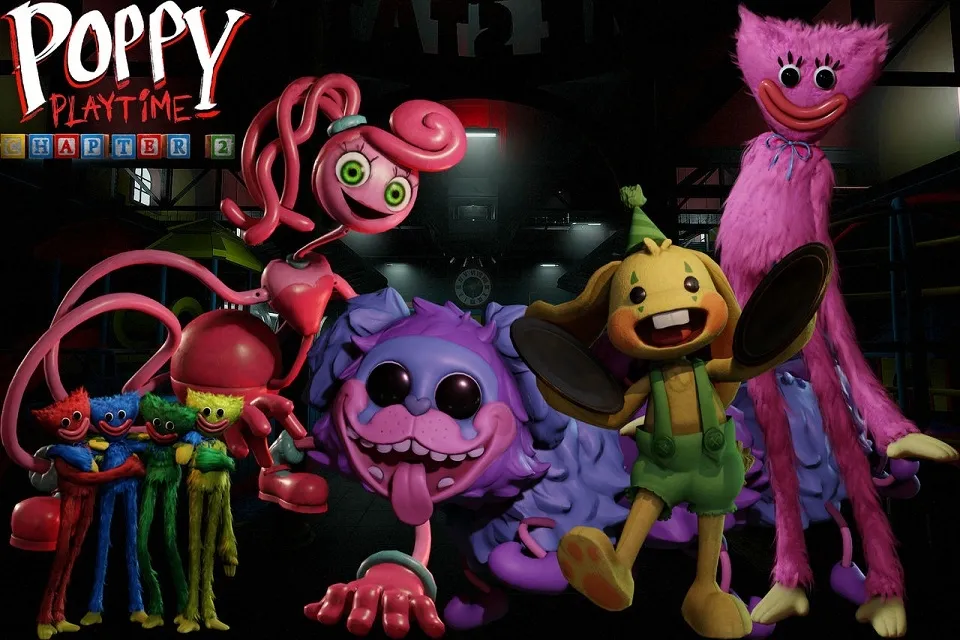
Mommy Long Legs is not just an enemy—she is a constant psychological presence. Her design encourages panic, but panic leads to poor decisions.
During chase sequences, do not look back unless necessary. Focus on forward movement and obstacle awareness. Many paths are linear but include sudden turns or drops.
Listen carefully. Mommy Long Legs often telegraphs her position through sound. Knowing where she is allows you to prepare for turns or jumps in advance.
Survival rules:
- Keep moving forward
- Avoid sudden stops
- Learn chase paths through repetition

6. How to Handle Chase Sequences Without Panicking
Chase sequences are the most intense parts of Chapter 2. They are designed to overwhelm players, but they follow predictable patterns.
Memorization is key. After one or two attempts, you should know where to jump, slide, or climb. Treat each failure as information gathering, not defeat.
Control your movement. Overcorrecting during jumps or turning too sharply often leads to falls. Smooth, deliberate movement increases survival chances.
Chase sequence advice:
- Focus on rhythm, not speed
- Learn obstacle order
- Stay centered during movement
7. How to Use Environment to Your Advantage
The environment is both a threat and a tool. Platforms, rails, vents, and objects often provide safe zones or temporary relief.
Use height to your advantage. Many enemies struggle with vertical movement. Climbing or dropping at the right time can save you.
Some environments allow brief pauses where enemies cannot reach you. Use these moments to calm down and plan the next move instead of rushing ahead.
Environmental tactics:
- Identify safe platforms
- Use verticality strategically
- Pause when safety allows
8. How to Manage Fear and Mistakes
Fear management is essential. Chapter 2 intentionally overwhelms players with sound, movement, and visuals. Accepting fear rather than fighting it improves focus.
Mistakes are part of learning. Each failure reveals information about timing, enemy behavior, or puzzle logic. Use that information instead of repeating the same approach.
Take breaks if needed. Fatigue increases panic and reduces reaction time. A calm player always performs better.
Mental control tips:
- Breathe during tense moments
- Treat failure as practice
- Step away if frustration builds
9. How to Approach the Final Sections Confidently
The later parts of Chapter 2 combine everything you have learned. Puzzle-solving under pressure, navigation, and enemy awareness all matter.
Do not rush simply because the game feels intense. Many final failures happen because players abandon caution. Stick to the habits developed earlier.
Trust your experience. By this point, you understand how the game communicates danger and progress.
Endgame approach:
- Apply learned patterns
- Stay methodical
- Avoid last-minute panic
10. How to Improve on Repeat Playthroughs
Chapter 2 becomes easier with knowledge. Replaying allows you to anticipate scares, optimize puzzle timing, and reduce trial-and-error deaths.
Speed improves naturally as fear decreases. Confidence replaces hesitation, making movement smoother and decisions faster.
Use repeat playthroughs to refine skills rather than rush completion. Mastery comes from understanding, not memorization alone.
Replay benefits:
- Faster puzzle completion
- Reduced panic
- Improved survival instincts
Conclusion
Poppy Playtime – Chapter 2 is a masterclass in tension-driven puzzle horror. Survival depends not on strength, but on patience, awareness, and learning from failure. By approaching the game methodically—observing before acting, controlling fear, and mastering mechanics—you can overcome even its most terrifying moments.
This step-by-step how-to guide provides the foundation needed to survive, adapt, and succeed. With calm thinking and deliberate action, Chapter 2 becomes less overwhelming and far more rewarding.
160-Character Summary
Learn how to survive Poppy Playtime Chapter 2 with step-by-step puzzle solutions, chase survival tips, and fear management strategies.