.webp)


Introduction
Lethal Company exploded in popularity not because of graphical fidelity or complex systems, but because it accidentally captured something rare: authentic emergent horror created through player interaction. Its lo-fi visuals, oppressive sound design, and brutally simple objectives turned cooperative scavenging into a nerve-shredding experience. Early sessions were defined by panic, miscommunication, and sudden death.
Yet as the community matured and updates stabilized core mechanics, a specific issue became increasingly visible: emergent horror in Lethal Company decays rapidly once systems are mastered, and the game currently lacks tools to regenerate fear at scale. This article examines how knowledge, optimization, and social meta slowly dismantle Lethal Company’s horror loop—and what that means for cooperative horror games moving forward.
1. Horror Built on Ignorance, Not Power
Lethal Company’s horror works best when players do not understand the rules. Monsters are terrifying because their behavior is unclear, the environment is hostile, and death is sudden.
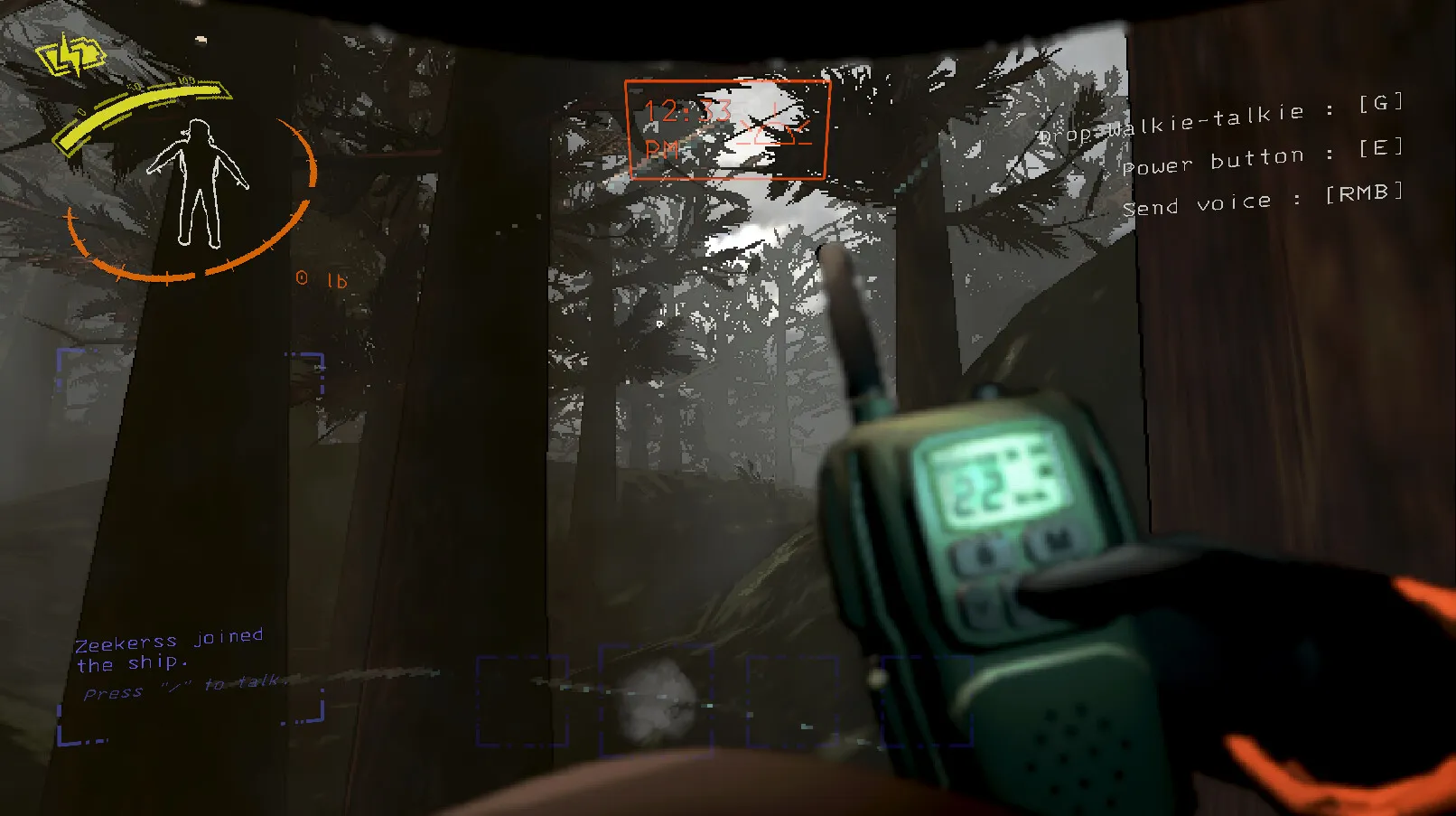
In early play, even mundane sounds trigger fear. Players hesitate, over-communicate, and make irrational decisions. The game thrives on uncertainty.
However, ignorance is a finite resource. Once consumed, the system must replace it with something else—or horror collapses.
2. Monster Knowledge Turns Fear Into Math
Behavioral Mapping Ends Terror
As players learn enemy behaviors, monsters transform from threats into problems with solutions. Brackens are avoided, Coil-Heads are managed, and Giants are path-planned around.
What was once fear becomes spatial awareness.
Predictability Replaces Panic
Once monsters are understood, encounters become routine. Even sudden deaths feel instructional rather than traumatic.
Horror without mystery is just pressure.
3. Optimization Breaks the Scavenging Loop
Efficiency Over Atmosphere
Experienced teams optimize routes, loot priorities, and communication. Silence—once terrifying—is replaced by constant callouts and mechanical execution.
Players stop “being afraid” and start “doing runs.”
Tools Reduce Emotional Risk
Flashlights, scanners, and optimized ship management reduce the psychological cost of exploration. Risk becomes controlled, not felt.
4. Communication as Horror Suppressant
Voice Chat Solves Fear
Real-time voice communication anchors players emotionally. Jokes, coordination, and reassurance neutralize isolation.
The game is scariest when communication fails—but failure becomes rare with experience.
Social Comfort vs Horror Intent
The better players know each other, the less fear survives. Horror struggles to coexist with confidence.
5. Death Loses Narrative Weight
Disposable Characters, Disposable Fear
Deaths are frequent, fast, and expected. Over time, players emotionally detach from consequences.
When loss has no lasting impact, fear has no anchor.
Respawn Mentality
Even without respawning mid-mission, the short loop encourages trial-and-error learning rather than emotional investment.
6. Content Updates Can’t Restore Fear Alone
New Monsters, Same Outcome
New creatures briefly revive tension, but community learning accelerates faster than fear regeneration.
Content adds novelty—not uncertainty.
Horror Needs Systemic Disruption
Without mechanics that change rules dynamically, updates only delay mastery.
7. Community Meta Accelerates Horror Decay
Shared Knowledge Is Inevitable
Guides, clips, and memes rapidly expose optimal play. Fear cannot survive transparency.
The horror experience becomes front-loaded and finite.
Speedrunning the Scare
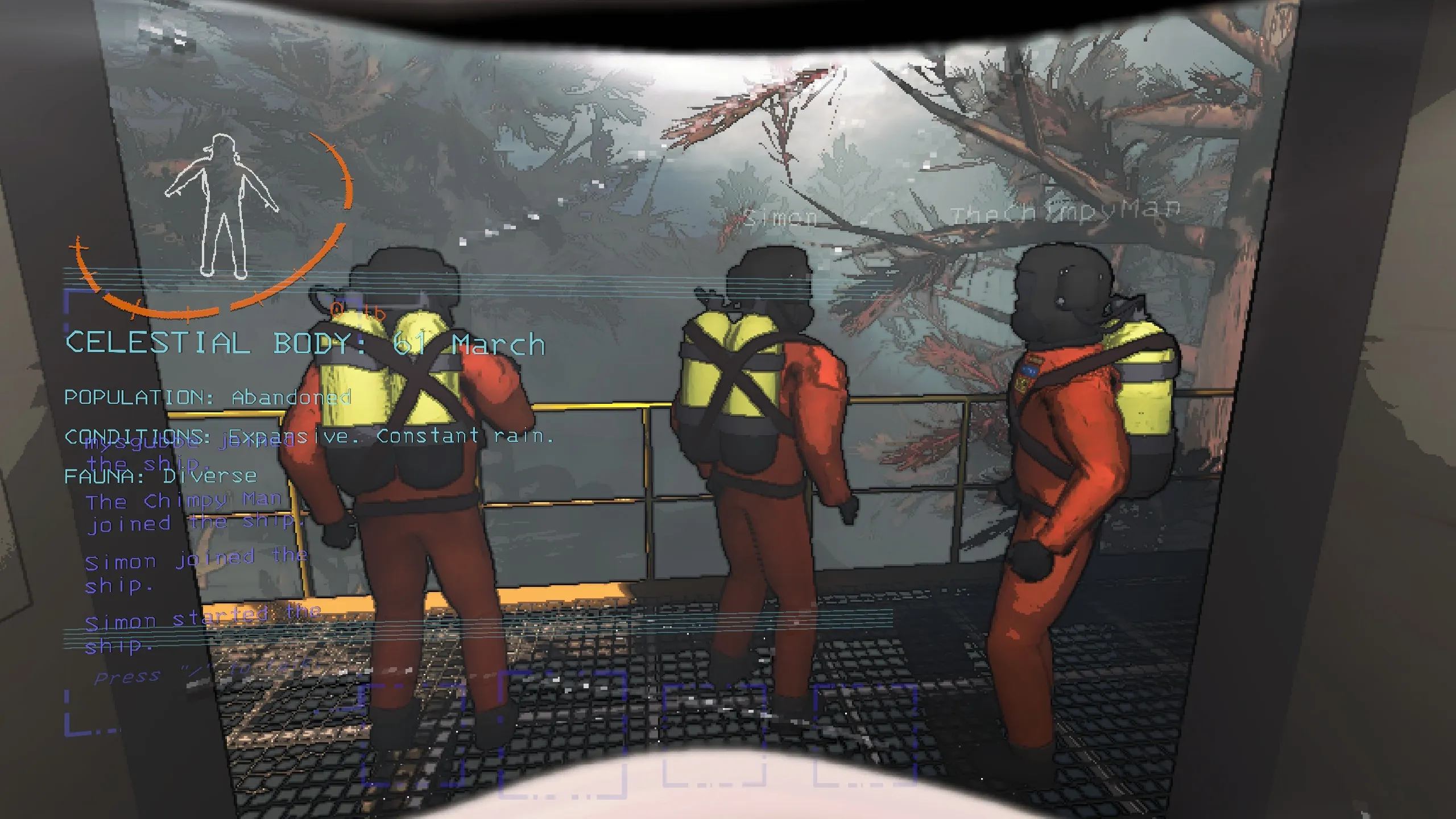
Some players actively optimize fear out of the game, treating it as a systems challenge.
8. The Absence of Long-Term Psychological Stakes
No Memory, No Trauma
The world does not remember previous failures. Players do not carry fear forward between runs.
Persistent psychological consequences could extend horror—but they do not exist.
Resetting the Nightmare
Every mission begins emotionally clean. This design favors replayability over dread.
9. Lessons for Cooperative Horror Design
Lethal Company teaches hard truths:
- Horror cannot rely on ignorance alone
- Mastery must introduce new dangers, not comfort
- Social play reduces fear unless systems counterbalance it
Future co-op horror games must design against optimization—not reward it.

10. Can Lethal Company Sustain Its Identity?
Possible Solutions
- Dynamic monster behavior that resists learning
- Unreliable tools and misinformation
- Psychological penalties that persist across runs
Each risks frustration, but horror without discomfort does not last.
What the Game Achieved Regardless
Lethal Company proved that horror does not require realism—only vulnerability.
Conclusion
Lethal Company succeeds brilliantly at creating emergent horror—but only temporarily. As players learn, optimize, and socialize, fear drains from the system. This is not a flaw unique to the game, but a structural challenge inherent to cooperative horror.
Its legacy may not be longevity, but clarity: horror is fragile, and mastery is its natural enemy.
160-character summary
Lethal Company’s emergent horror fades as players master systems, optimize teamwork, and replace fear with efficiency and social comfort.