.webp)








Eternal Return presents itself as a hybrid of MOBA mechanics and battle royale structure, but beneath its surface lies a far more decisive system: time-bound crafting. While combat execution, character mastery, and positioning all matter, they are secondary to how players navigate the early crafting economy under strict temporal pressure. This article explores how Eternal Return’s design makes time allocation and crafting prioritization the true core skill, reshaping how victory is earned long before the first decisive fight occurs.
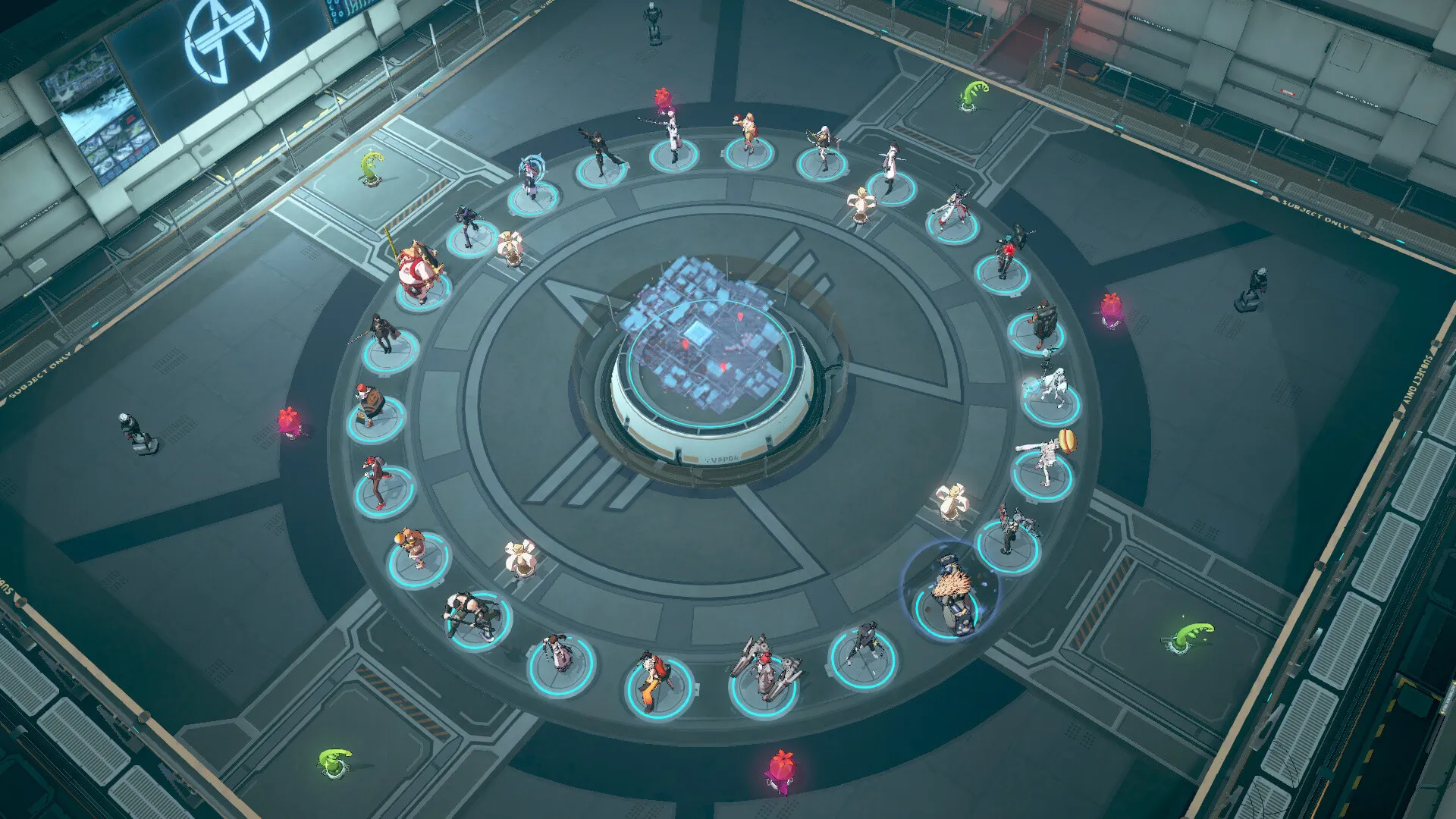
1. The Opening Drop and the Illusion of Equal Starts
Every match begins with symmetrical opportunity.
Players select characters, spawn into zones, and appear to face equal odds. On paper, no one has an advantage.
In practice, the first thirty seconds already separate future winners from future casualties through route choice and crafting intent
2. Crafting Routes as Invisible Skill Expression
Movement in Eternal Return is never neutral.
Every step represents a commitment to a crafting path, whether consciously planned or improvised.
Route literacy
Experienced players read maps as production graphs rather than terrain.
3. Time as a Non-Renewable Resource
Health regenerates. Items respawn. Time does not.
Missed crafting windows permanently lock players out of optimal builds.
Temporal scarcity
Being late is worse than being weak.
4. Early Crafting Decisions Dictate Combat Outcomes
Most fights are decided before they begin.
Gear differentials created in the first few minutes overwhelm mechanical skill.
Pre-fight victory
Combat often confirms earlier decisions rather than tests skill.
5. Risk Management in Contested Zones
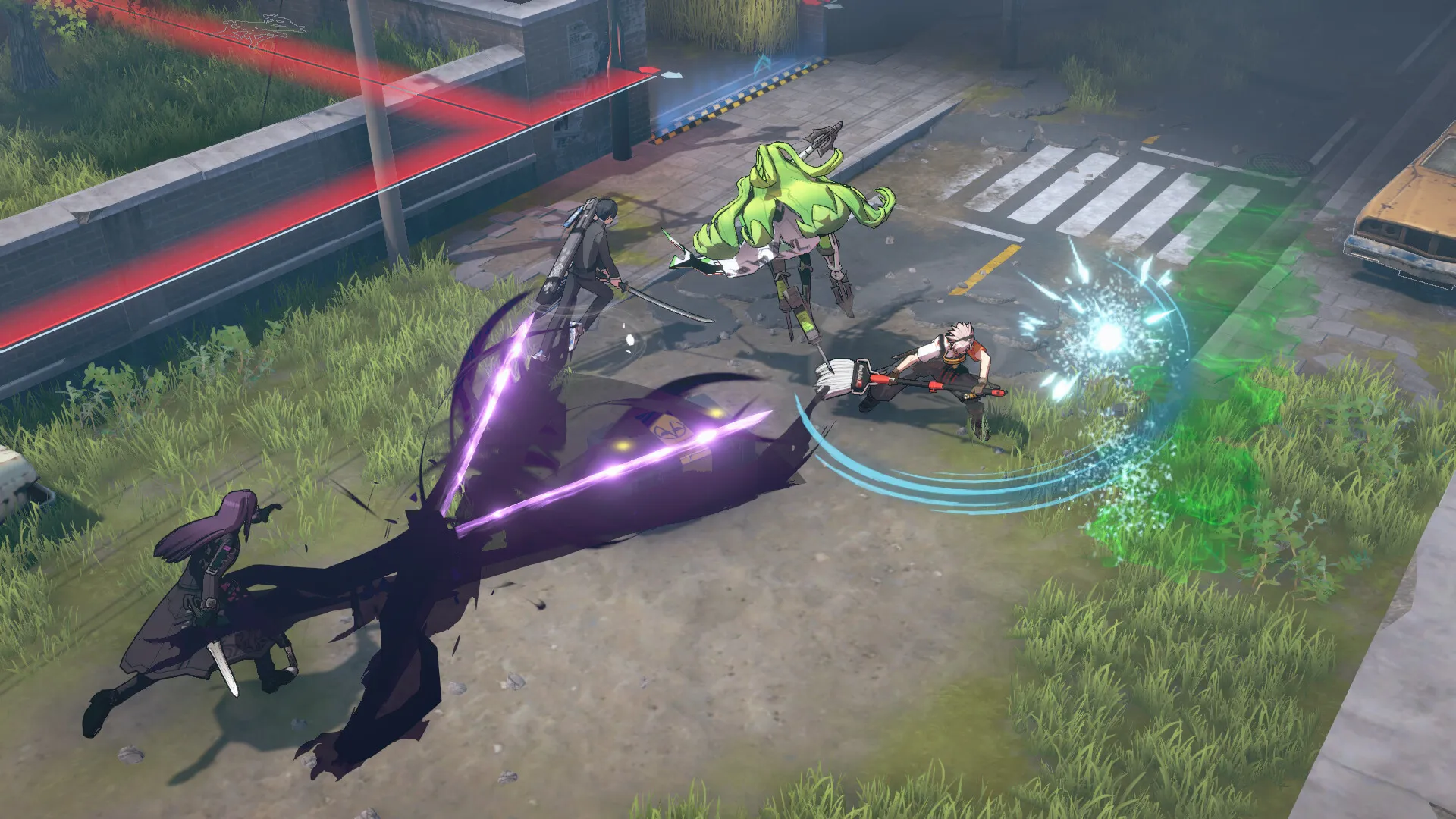
High-value materials attract multiple players.
Entering these zones is not about courage, but about timing precision.
Calculated exposure
Winning players arrive early or not at all.
6. Crafting Flexibility Versus Commitment
Rigid build paths offer power but little adaptability.
Flexible paths sacrifice peak strength for survivability.
Adaptive economy
The best players adjust routes without wasting time.
7. How Death Teaches Time Discipline
Early deaths are instructional, not punitive.
They expose inefficiencies in routing and hesitation.
Failure as feedback
The game trains players to respect time through loss.
8. Mid-Game Power Spikes Are Time Rewards
Mid-game dominance is not random.
It is the delayed payoff of early efficiency.
Delayed gratification
Strong mid-game players invested correctly at the start.
9. Late Game Is a Cleanup Phase, Not a Test
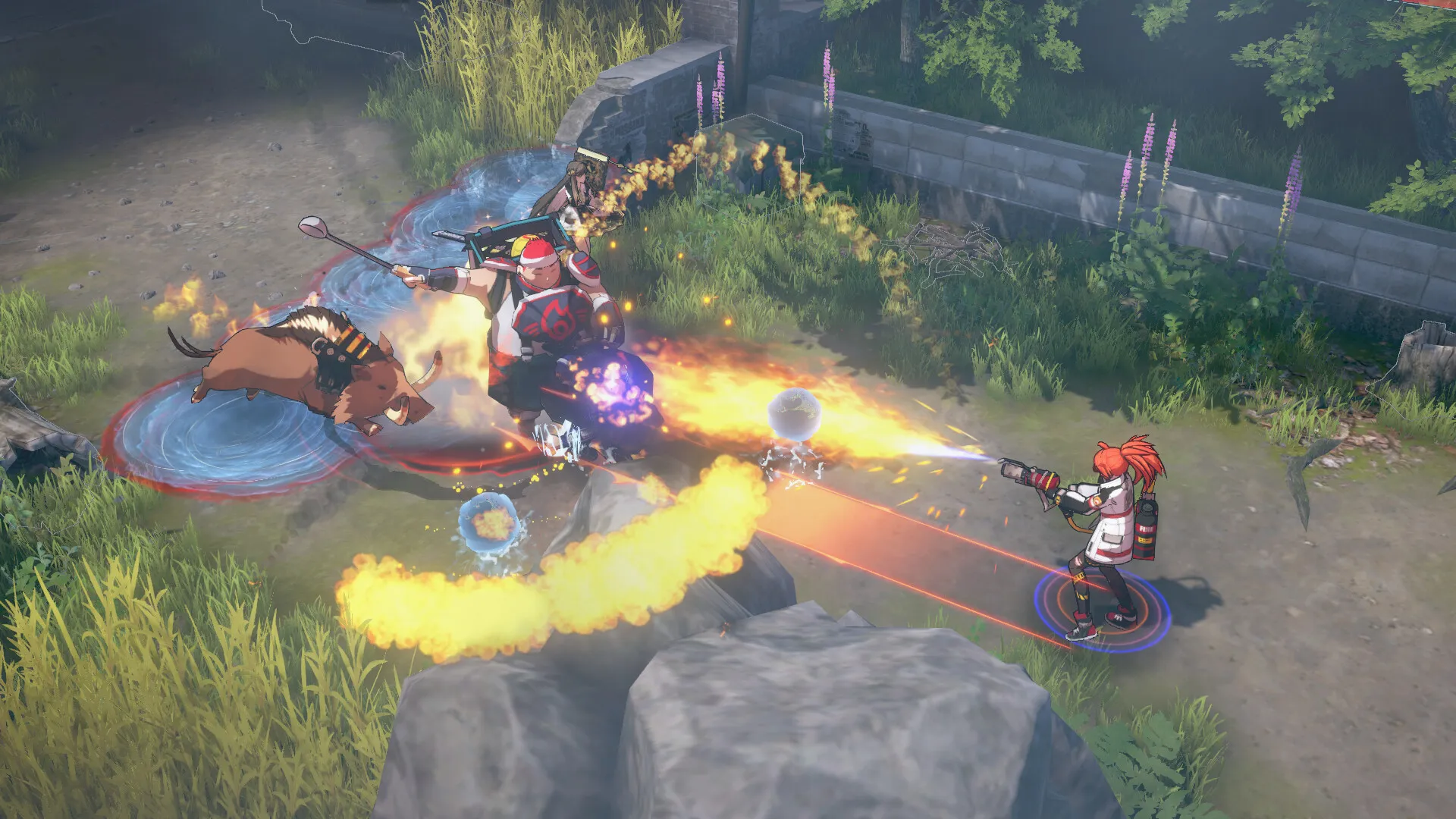
By the final zones, outcomes are mostly decided.
Superior builds overwhelm remaining resistance.
Inevitable endings
Late-game skill rarely compensates for early inefficiency.
10. Why Eternal Return Is Won Before the First Fight
The game’s structure rewards foresight over reaction.
Victory belongs to those who master time, not those who chase combat.
This design defines Eternal Return’s identity and learning curve.
Conclusion
Eternal Return disguises its true challenge behind fast-paced combat and character variety, but its core mastery lies in time-bound crafting decisions made under pressure. Early routing, material prioritization, and commitment timing determine power trajectories that combat alone cannot overcome. By making time the most valuable and unforgiving resource, Eternal Return transforms victory into an economic outcome rather than a purely mechanical one, rewarding players who think ahead rather than react fast.