





World War Legion is a strategy game that blends real-time combat with army management and progression systems inspired by World War–era warfare. Players command infantry, vehicles, and support units in large-scale battles where positioning, timing, and upgrades determine victory more than raw numbers. While the controls are accessible, long-term success depends on understanding unit roles and battlefield flow.
This guide is designed to help new and intermediate players progress efficiently. Structured in a logical order, it covers everything from early army composition to late-game optimization, ensuring you build a powerful legion without wasting resources or time.
1. Understanding Core Gameplay Mechanics
Real-Time Battlefield Flow
World War Legion focuses on continuous combat rather than turn-based planning. Units advance, engage, and retreat dynamically based on player commands and AI behavior.
Understanding how the battlefield evolves in real time helps you react quickly to enemy pushes and sudden breakthroughs.
Numbers vs Positioning
While having more units helps, poor positioning leads to heavy losses. Terrain, formation, and timing often matter more than sheer force.
Winning consistently requires awareness, not just deployment.

2. Early Army Composition Basics
Balanced Unit Selection
In the early game, balance is critical. Relying on a single unit type leaves you vulnerable to counters.
A strong starting composition usually includes:
- Frontline infantry
- Ranged or support units
- One heavy or special unit
This mix provides flexibility in most scenarios.
Avoiding Early Overinvestment
Upgrading too many unit types early drains resources. Focus on improving a small core army.
Depth is more valuable than breadth in early progression.
3. Resource Management and Upgrades
Prioritizing Core Upgrades
Resources should first be spent on upgrades that increase survivability and damage output. These upgrades scale better over time.
Avoid cosmetic or niche upgrades until your core army is stable.
Timing Your Spending
Upgrading between battles is safer than upgrading mid-campaign. This allows you to evaluate weaknesses before committing resources.
Strategic spending prevents long-term inefficiency.
4. Understanding Unit Roles and Counters
Infantry, Armor, and Support Roles
Each unit category has strengths and weaknesses. Infantry holds ground, armor breaks defenses, and support enhances effectiveness.
Using units outside their intended role reduces efficiency.
Learning Enemy Patterns
Enemy compositions follow recognizable patterns. Identifying these patterns allows you to deploy effective counters.
Adaptation is the key to maintaining momentum.
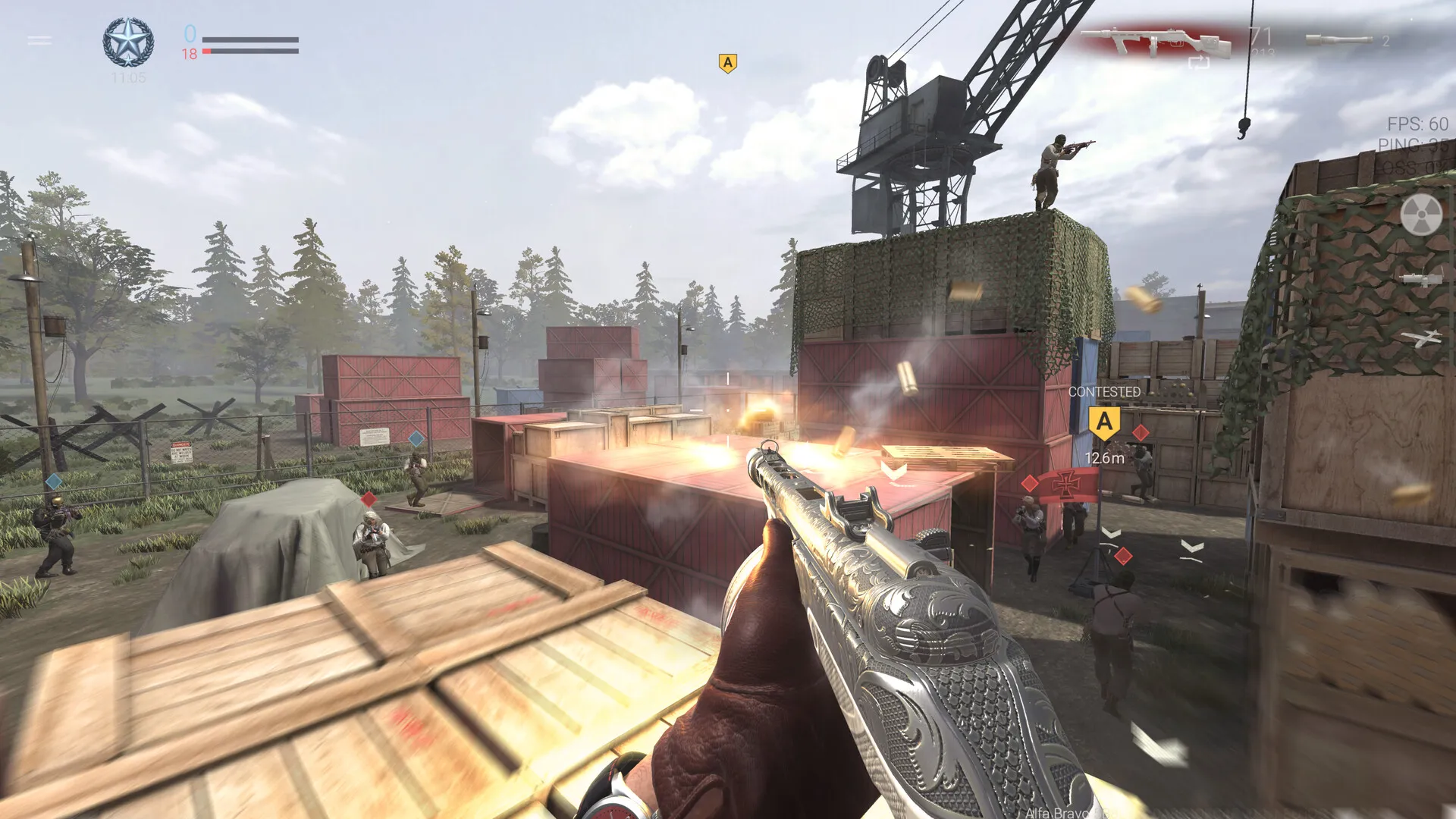
5. Battlefield Positioning and Formations
Frontline Stability
A stable frontline prevents enemy units from reaching vulnerable backline units.
Spacing and formation width matter as much as unit strength.
Flanking and Pressure
Applying pressure from multiple angles forces enemies to split focus. Even small flanking units can disrupt enemy formations.
Controlled aggression creates openings.
6. Managing Reinforcements and Reserves
Knowing When to Deploy
Deploying all units at once leaves no margin for error. Holding reserves allows response to unexpected threats.
Timing reinforcements often decides battles.
Reinforcement Placement
Placing reinforcements directly into combat zones can stabilize collapsing lines or exploit weak points.
Poor placement wastes valuable units.
7. Campaign Progression and Difficulty Scaling
Gradual Difficulty Increase
As campaigns progress, enemies gain stronger units and better coordination. Early success does not guarantee later victories.
Continuous improvement is necessary to keep pace.
Preparing for Difficulty Spikes
Before major battles, ensure your army is upgraded and balanced. Difficulty spikes punish unprepared players.
Preparation reduces frustration.
8. Special Units and Abilities
Using Special Units Wisely
Special units are powerful but limited. Deploy them strategically rather than relying on them constantly.
Their impact is highest when used at critical moments.
Ability Timing
Active abilities can turn the tide of battle when used at the right time.
Avoid wasting abilities on low-impact situations.
9. Learning from Defeats and Replays
Analyzing Failures
Losses provide insight into weak points. Review what failed—positioning, unit choice, or timing.
Improvement comes from reflection.
Adjusting Strategy Incrementally
Instead of drastic changes, adjust one element at a time. This makes it easier to identify what works.
Consistency builds mastery.
10. Long-Term Army Optimization
Focusing on Synergy
Late-game success depends on synergy between units and upgrades. Stacking complementary bonuses maximizes effectiveness.
Well-synergized armies outperform stronger but unfocused ones.
Maintaining Flexibility
Meta shifts and new challenges require adaptation. Keep some resources available for adjustments.
Flexibility ensures longevity.
Conclusion
World War Legion rewards strategic thinking, disciplined upgrades, and adaptive battlefield control. While the game appears simple at first glance, its depth becomes apparent through progression and escalating challenges.
By following these tips and guides, players can build efficient armies, respond effectively to enemy tactics, and achieve consistent success across campaigns. Victory in World War Legion comes from preparation, positioning, and patience.