.webp)





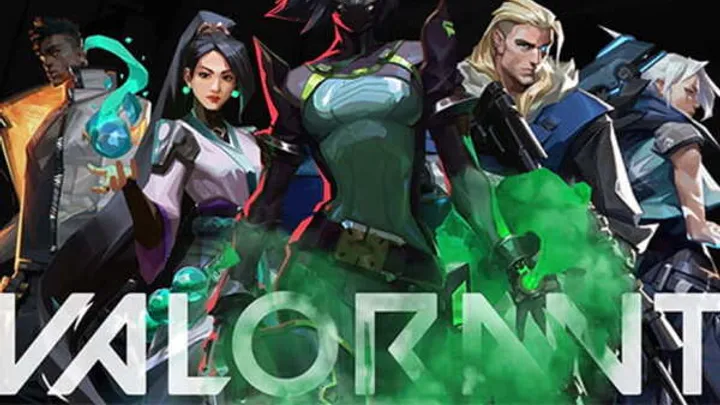
Valorant is a competitive tactical shooter developed by Riot Games. Combining precise gunplay with unique agent abilities, Valorant rewards teamwork, communication, strategy, and mechanical skill. Unlike traditional shooters where aim alone can carry matches, success in Valorant depends on positioning, utility usage, economy management, and decision making.
This complete how to guide explains how to improve from a beginner to an advanced player. You will learn movement fundamentals, aiming techniques, agent selection, map control, team coordination, and advanced strategies that can help you win more rounds and climb the competitive ranks.
How to understand the basics of Valorant
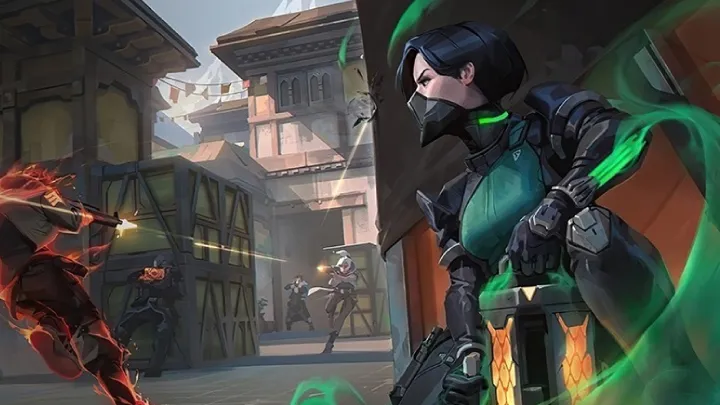
Before focusing on advanced mechanics, you must understand how rounds work. In most matches, one team attacks while the other defends. Attackers attempt to plant the Spike, while defenders try to prevent the plant or defuse it after deployment.
Each round rewards credits that can be spent on weapons, shields, and abilities. Understanding these objectives is essential because many new players focus only on eliminations rather than playing toward the win condition.
Key objectives include
Planting the Spike as attackers
Defending sites as defenders
Managing economy effectively
Working with teammates to secure rounds
How to choose the right agent for your playstyle
Valorant features a diverse roster of agents divided into roles such as Duelists, Controllers, Initiators, and Sentinels. Each role serves a different purpose within a team composition.
Duelists specialize in entry fragging and creating space. Controllers use smokes to block vision. Initiators gather information and help teammates push sites. Sentinels provide defensive utility and site control. Learning one or two agents from each role makes you more adaptable.
Beginner friendly agents often include
Sage
Phoenix
Brimstone
Killjoy
How to improve your aim and crosshair placement
Aim is one of the most important skills in Valorant. However, aiming is not just about reaction speed. Good crosshair placement reduces the need for large adjustments and increases consistency.
Keep your crosshair at head level while moving around the map. This simple habit dramatically improves your ability to secure quick eliminations. Instead of aiming at the ground, always anticipate where enemies might appear.
To improve aim
Practice in the shooting range daily
Focus on headshots instead of body shots
Use consistent sensitivity settings
Learn recoil control for common weapons
How to master movement and positioning
Movement directly affects shooting accuracy. Running while firing causes shots to become highly inaccurate. Learning when to stop and shoot is critical.
Positioning is equally important. Strong positions provide cover, escape routes, and favorable angles. Avoid standing in exposed locations where multiple enemies can attack simultaneously.
Good positioning habits include
Holding tight angles carefully
Using cover effectively
Avoiding unnecessary peeks
Repositioning after securing a kill
How to understand weapons and economy management
The economy system influences every round. Winning teams often maintain better equipment because they manage credits efficiently.
Do not buy expensive weapons every round. Sometimes saving credits creates stronger future rounds. Understanding when to buy, save, or force purchase helps maintain team consistency.
Popular weapons include
Vandal for one shot headshots
Phantom for controlled spraying
Operator for long range control
Spectre for economical rounds
How to use abilities effectively
Abilities separate Valorant from many other tactical shooters. Utility can gather information, block vision, delay pushes, or secure eliminations.
Avoid wasting abilities early without purpose. Every piece of utility should support a clear objective. For example, smokes should block dangerous sightlines, while flashes should help teammates enter contested areas.
Effective utility usage involves
Coordinating with teammates
Timing abilities carefully
Combining utility for stronger pushes
Saving important abilities for critical moments
How to attack sites successfully
Attacking requires coordination and information gathering. Entering a site without utility or communication often results in failure.
Before pushing, gather information using abilities or teammate callouts. Once enough information is collected, execute quickly and decisively. Hesitation often gives defenders time to rotate and strengthen their position.
Successful attacks typically involve
Clearing corners methodically
Using flashes and smokes together
Trading teammates when entering
Securing post plant positions
How to defend sites and control the map
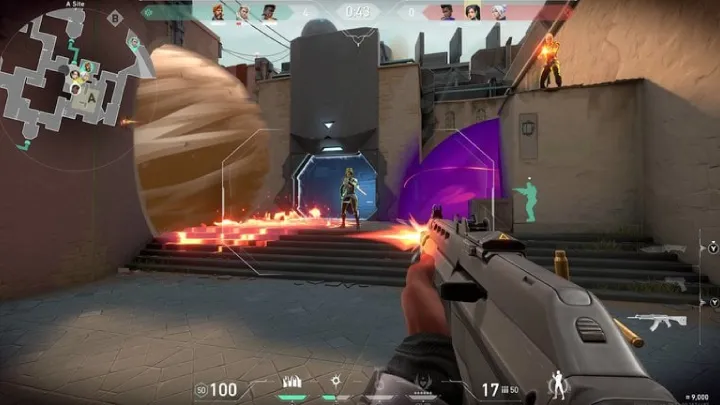
Defending requires patience and discipline. Many defenders lose rounds by overextending and taking unnecessary risks.
Hold strong positions and use utility to delay enemy advances. Information is extremely valuable, so communicate enemy locations immediately when spotted.
Strong defensive habits include
Holding crossfires with teammates
Saving utility for site executes
Rotating only when necessary
Avoiding predictable positions
How to communicate and work with teammates
Communication can win rounds even when mechanical skill is equal. Clear callouts allow teammates to react faster and make better decisions.
Keep communication concise and useful. Instead of emotional reactions, provide information such as enemy location, health status, or utility usage.
Important communication examples
Two enemies mid
Spike dropped near A site
Enemy Operator holding long angle
Rotating from B to A
How to improve in competitive play
Competitive matches require consistency. Winning occasionally is not enough. Long term improvement comes from identifying weaknesses and actively working on them.
Review your mistakes after matches. Ask whether deaths were caused by poor positioning, bad aim, weak communication, or poor decision making. Focusing on one weakness at a time accelerates improvement.
Ways to improve consistently
Warm up before ranked games
Watch experienced players
Review your gameplay recordings
Practice specific skills regularly
How to master advanced strategies and high level gameplay
At advanced levels, players understand mechanics well, so strategy becomes the deciding factor. Teams coordinate utility, fake site executions, and manipulate rotations to gain advantages.
Learn how to read enemy behavior and adapt your playstyle. If opponents repeatedly attack one area, adjust your defense accordingly. Flexibility and game sense become more important than raw mechanical skill.
Advanced concepts include
Default setups
Map control management
Utility combinations
Mind games and fake executions
Information denial tactics
Conclusion
Valorant is a tactical shooter that rewards patience, precision, communication, and teamwork. Mastering the game requires more than accurate aim. Players must understand agents, economy, positioning, utility usage, and team coordination to achieve consistent success.
By following this how to guide and practicing regularly, you can steadily improve your skills, climb the competitive ladder, and become a more valuable teammate. With dedication and smart learning, reaching higher ranks becomes an achievable goal.
Summary
Complete how to guide for Valorant covering agents aim economy teamwork map control utility usage and advanced strategies for competitive success.