

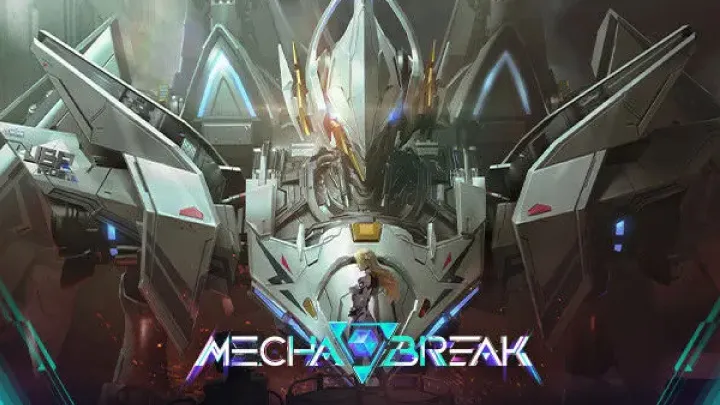
The arrival of Mecha BREAK on July 1, 2025, was one of the most significant moments for the mecha genre in recent memory. Announced with a breathtaking trailer at The Game Awards 2023, the game promised a blend of high-speed, acrobatic aerial combat reminiscent of classic Japanese mecha anime and the objective-driven team play of modern hero shooters. Developed by Amazing Seasun Games, the title delivered on the spectacle, presenting a visually stunning future where pilots (known as Strikers) wage war across massive battlefields in customizable, colossal machines. Now, six months into its lifespan and deep into its second competitive season, "Echoes of the Void," Mecha BREAK has established a robust, if sometimes contested, player base. This analysis chronicles the game's high-stakes launch, dissects its core combat loop, examines the critical response to its monetization model, and looks forward to the major content reworks designed to sustain its long-term potential.
 1. The Hype Cycle and Day-One Launch
The road to launch was characterized by escalating excitement, driven by stunning visual marketing and a highly successful open beta that set impressive concurrent player records.
The Phenomenon of the Open Beta
The Open Beta, launched in February 2025, served as a massive confidence booster for the developers, peaking at over 300,000 concurrent players on Steam alone. This unprecedented turnout demonstrated the sheer appetite for a high-production-value multiplayer mech shooter. The beta offered a glimpse into the game's core loop—the energy-management-based boosting, the distinct melee/ranged combat roles, and the initial roster of around 13 mechs (called "Strikers"). However, the beta also revealed the first cracks: persistent server instability and a confusing progression system, leading to initial "Mostly Negative" user reviews despite the high player count.
The Global Release and Initial Reception
Mecha BREAK officially launched on July 1, 2025, for PC and Xbox Series X/S, followed shortly by its PS5 debut. Critics widely praised the polished, fast-paced gameplay and the high level of detail in the mech designs, noting the influence of Armored Core's customization and Titanfall's speed. The iconic soundtrack, featuring music from renowned composer Hiroyuki Sawano (known for Gundam, Attack on Titan), was a highlight, lending epic scale to every skirmish. However, the positive critical consensus (with scores like 8/10 from IGN) was tempered by common complaints about the aggressive nature of the free-to-play monetization model and the grind required to unlock new Strikers and cosmetic items.
2. Core Combat: The Movement and Energy System
At the heart of Mecha BREAK's gameplay is a fast-paced, third-person shooter model built around a critical resource: Energy. Mastery of this system is the fundamental difference between a novice pilot and an ace.
The Pillars of Mobility: Boost and Dash
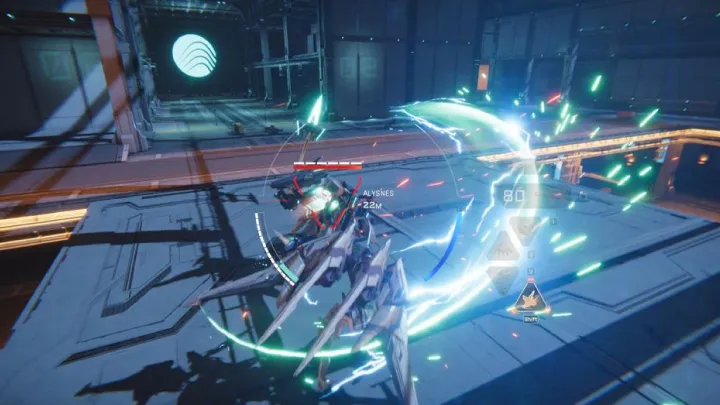
Every mech relies on a finite energy bar, visible on the HUD, to perform its most critical functions: boosting, dashing, and hovering. Boosting allows for rapid, prolonged flight and ground movement, essential for crossing large maps and closing or creating distance. Dashing provides a quick, short burst of speed, often with brief invincibility frames, making it the primary defensive maneuver for dodging heavy incoming fire or melee strikes. The strategic depth comes from resource management: draining your energy for excessive movement leaves you completely vulnerable and immobile when a critical escape or offensive push is needed.
Damage Types and the Shield/Armor Mechanic
Combat involves managing two distinct health pools:
- Shields (White Bar): The outer defense, typically countered by Plasma/Energy weapons and heavy Ballistic fire. Shields regenerate after a short period of avoiding damage.
- Armor (Red Bar): The true health of the mech, which is directly damaged by most Melee attacks and large-caliber Ballistic rounds that over-penetrate.
This system creates a rock-paper-scissors effect, necessitating diverse team compositions. For example, a heavy Brawler mech (like Welkin) specializes in high-damage melee strikes that bypass shields, making them the ideal counter for tanky, shield-heavy defenders. Conversely, long-range Snipers (like Narukami) excel at breaking shields before a teammate can land the finishing blow on the exposed armor.
3. The Three Pillars of Multiplayer Modes
Mecha BREAK launched with three distinct multiplayer modes, catering to different competitive tastes: arena combat, objective control, and a unique PvPvE extraction style.
Ace Arena (3v3 Team Deathmatch)
This mode is the purest test of skill and team synergy. Two teams of three Strikers battle in smaller, contained maps (e.g., Combat Matrix or Octantis Industrial Zone), with the first team to achieve eight eliminations winning the round. The mode favors rapid repositioning and coordinated burst damage. High-mobility Strikers, like the aerial Falcon or the flanking Panther, dominate this mode due to their ability to isolate and execute single targets quickly.
Operation VERGE (6v6 Objective Control)
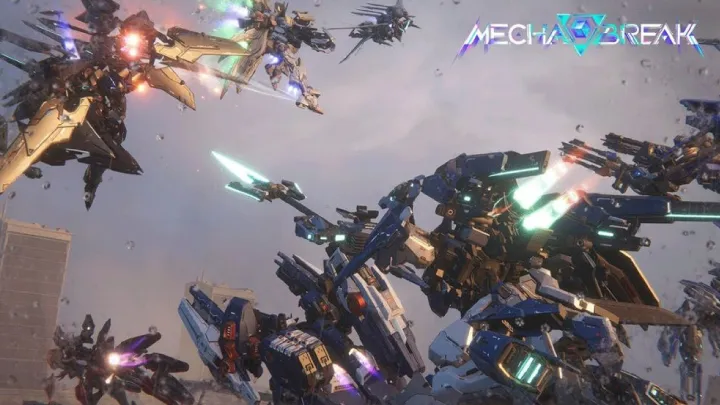
The main, large-scale competitive mode, Operation VERGE, pits two teams of six against each other with varied, objective-based goals across massive maps. Examples include:
- Payload Escort (Palmbay Harbor)
- Data Node Capture/Dismantle (Cape Blanc Observatory)
- Domination (Kraub Sinkhole)
Success in this mode demands a balanced team composition utilizing Defender Strikers (like Tricera, which can transform into a stationary turret) to hold points, Support Strikers (like Luminae) to maintain team health, and Attackers to push the front line.
Mashmak Islands (PvPvE Extraction)
Mashmak is the game’s hybrid extraction mode, where four squads of three Strikers drop into a massive, resource-rich archipelago. Players must compete against both rival teams and AI-controlled enemy forces ("Theia's Vanguard") to collect valuable resources (Corite), blueprints, and mods. The core loop involves a high-risk, high-reward decision: gather more loot to upgrade your mech mid-match, or extract early before the map is consumed by the encroaching Pulse Storm and contested by final-extraction campers. This mode is the exclusive location for earning Matrix Credits and the unique Mods that enhance mech capabilities within Mashmak itself.
 4. The Roster of Strikers: Role and Variety
Mecha BREAK distinguishes itself with a deep roster of Strikers, each fulfilling one of five defined combat roles. This hero-shooter element ensures a high degree of variety and counter-play.
Categories of Mecha Strikers
The current roster, which has grown to over 20 mechs with the launch of Season 2, is divided into five classes:
- Attacker: Balanced, versatile units (e.g., Alysnes) designed to deal consistent damage. Ideal for beginners learning the game flow.
- Brawler: Close-quarters melee specialists (e.g., Welkin) that ignore shields and deliver high burst damage to armor. Requires precise energy and parry timing.
- Defender: Heavy, high-HP Strikers (e.g., Tricera) focused on area control and absorbing damage to protect objectives.
- Sniper: Long-range damage dealers (e.g., Narukami) that specialize in disabling enemy shields from a distance, requiring precise positioning.
- Support: Utility units (e.g., Luminae) that provide healing, shielding, and team buffs, essential for sustained pushes in 6v6 modes.
The Role of Customization
Beyond cosmetic customization—which includes colors, insignias, and pilots—each Striker can be subtly fine-tuned through a Mod System and a pilot skill selection. The ability to switch between pre-set loadouts allows players to adapt their favorite mech for different map objectives and team compositions before the match begins.
5. Post-Launch Challenges and the Monetization Debate
Despite its critical success in gameplay, Mecha BREAK's initial weeks were marred by server instability and significant player backlash regarding its free-to-play business model.
Aggressive Grind and the Corite Currency
Many initial user reviews, despite praising the core gameplay, were "Mostly Negative," with the central complaint being the game's aggressive monetization and the time required to unlock new Strikers. While the developers made the decision to unlock all launch mechs after a massive Open Beta backlash, any subsequent Strikers and desirable cosmetics require a substantial grind using earned currency (Mission Tokens) or the purchase of the premium currency (Corite). This created a feeling among players that the game’s excellent foundation was undercut by "free-to-play foibles," as one reviewer put it.
Server Stability and High Ping
Early launch issues included persistent high ping and connection errors, particularly for players outside of the core Asian servers. Despite continuous QoL patches throughout July and August 2025, network performance remained a recurring complaint, frequently appearing in community megathreads. This issue hampered the experience in a game where split-second reaction time and energy management are paramount.
6. Season 2: "Echoes of the Void" and Roster Updates
Launched in November 2025, Season 2, "Echoes of the Void," marked a major commitment to post-launch content, introducing new Strikers, maps, and progression rewards.
New Strikers and the META Shift
Season 2 introduced two new Strikers: a heavy, dual-wielding brawler named Fenris and a stealth-based sniper/flanker named Shade. The introduction of these units immediately shifted the competitive META, especially in the Ace Arena. Shade's unique stealth ability, which allows for temporary invisibility and clone deployment, proved particularly disruptive, leading to community debates and calls for immediate balancing adjustments just weeks into the season.
Seasonal Battle Pass and Cosmetics
The Battle Pass for "Echoes of the Void" offered a new set of exclusive cosmetics, including legendary skins and pilot outfits, tied to the seasonal theme. The structure of the pass aimed to address some monetization concerns by increasing the amount of free Mission Tokens earnable through the free track, reducing the perceived pressure to purchase the premium currency for essential unlocks.
 7. The Announcement of Mecha BREAK 2.0 – BREAK EDITION
In November 2025, Amazing Seasun Games announced a major initiative: the launch of Mecha BREAK 2.0 – BREAK EDITION, signaling a massive rework and the final planned platform rollout.
Massive Rework and PS5 Launch
This announcement confirmed the impending PlayStation 5 launch, finally bringing the full experience to the third major platform. More significantly, the "BREAK EDITION" moniker signaled a comprehensive re-evaluation of the game's core systems, potentially addressing the progression grind and aggressive monetization. The developers explicitly mentioned a "Massive Rework," suggesting deep changes to how new Strikers are acquired and how in-game currency is rewarded. This move is seen as an attempt to regain the player base that may have dropped off due to the launch issues.
The Long-Term Vision
The developers framed the 2.0 update as a commitment to the long-term success of the title, acknowledging that the initial release was strong on gameplay but weak on the player economy. The rework is expected to roll out in early 2026, setting the stage for the game's second year.
8. The Pilot and The Lore
While the mechs are the stars, Mecha BREAK weaves a subtle but compelling lore around the pilots and the world's post-cataclysm setting.
The Lore of Mashmak Islands
The world ended years ago due to a coronal mass ejection, leaving humanity in scraps and forcing survival on a hostile, scarred planet. The Mashmak Islands, the setting for the extraction mode, are rich in Corite, the key resource that fuels the war. The lore suggests that the endless conflict is not just about factional supremacy, but humanity's desperate struggle to harness Corite for survival, making the battles less about heroism and more about resource extraction in a dying world.
Pilot Customization and Role-Play
The game includes a robust pilot creation system. While the current focus is on the mechs, the pilots themselves (like the recently released police-themed Falcon variants) offer a layer of visual customization. Many players engage in role-play, creating backstories for their chosen Strikers and pilots, finding connection in the small details of the hub world and the brief pre-match cinematics.
9. Composer Spotlight: The Sound of War
The game's atmosphere is inextricably linked to its powerful, cinematic sound design and score, anchored by one of the most celebrated names in mecha media.
Hiroyuki Sawano's Influence
The involvement of composer Hiroyuki Sawano was a major news story leading up to the launch. Sawano's signature epic, layered, and often vocal-heavy orchestral style perfectly complements the grand scale of the mech battles. Tracks like "UPGRADE(D)," released shortly before launch, served as the anthem for the game's fast-paced, high-stakes combat. His work elevates Mecha BREAK from a simple shooter to a truly cinematic experience, a crucial element in establishing the game's identity against competitors.
10. The Verdict: Potential vs. Progression
Six months after launch, Mecha BREAK is a game of immense potential, slightly hobbled by its progression model. The core gameplay loop is arguably one of the best in the contemporary shooter space, delivering on the promise of fast, beautiful, and strategically deep mech combat.
A Strong Mechanical Foundation
The intricate dance of energy management, the necessary teamwork in 6v6 objective modes, and the high-octane 3v3 arena combat all attest to a mechanically superior design. The learning curve is high but rewarding, favoring players who master the specific counter-play of each Striker.
The Path Forward: Rework and Longevity
The announced 2.0 – BREAK EDITION is the developer's clear acknowledgment of the issues surrounding monetization and player retention. If Amazing Seasun Games can successfully decouple the core gameplay loop from the aggressive grind, Mecha BREAK has the capacity to not only satisfy its dedicated fanbase but become a perennial multiplayer favorite. The titan warfare has begun, and the coming rework will determine its future legacy.