




Introduction
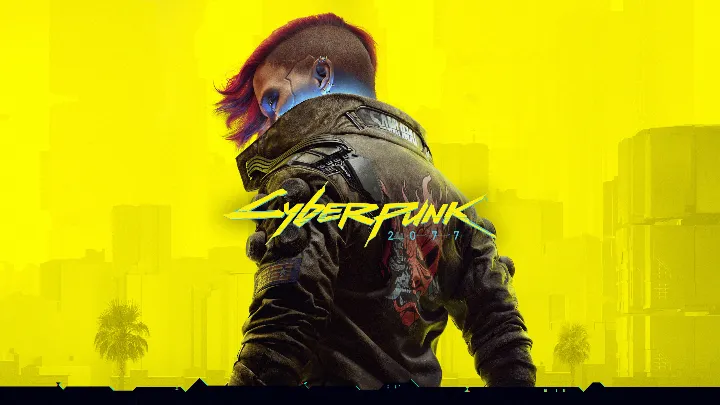
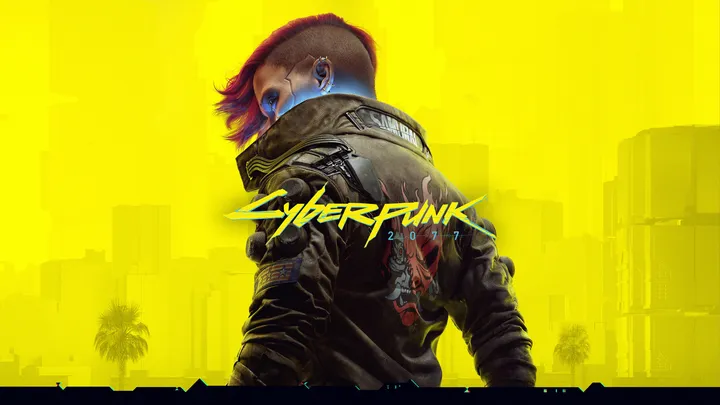
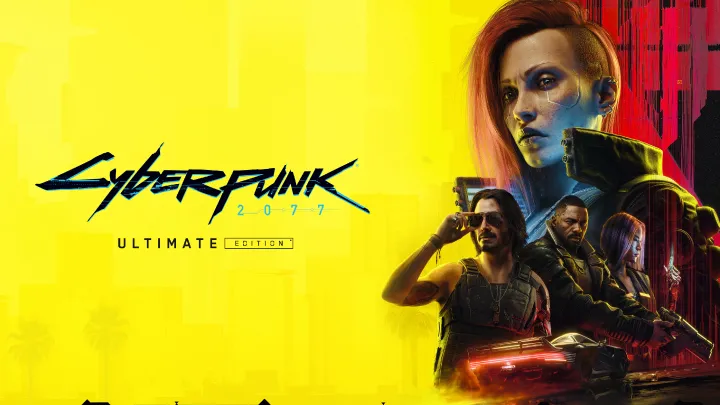
Cyberpunk 2077, developed by CD Projekt Red, is a sprawling open-world RPG set in the dystopian Night City, a vibrant yet perilous environment brimming with advanced technology and social inequality. At the heart of this richly layered narrative lies a profound issue: the exploration of identity in an era defined by transhumanism, corporate control, and societal fragmentation. Throughout the game, players grapple with questions of self, agency, and morality, navigating complex character development and philosophical dilemmas tied to technology and identity formation. This article examines how Cyberpunk 2077 portrays the multifaceted nature of identity, the impact of choices on character development, and the larger societal implications, ultimately shaping the player’s understanding of self within the narrative tapestry of Night City.
The Foundation of Cyberpunk: Setting and Identity
The Birth of a Dystopian World
Cyberpunk 2077 is set in the year 2077, a time when technology and capitalism have intertwined to the detriment of societal well-being. Night City is a microcosm of this reality, featuring skyscrapers brimming with neon lights, corporate greed, and rampant violence. The context is critical to understanding identity in this narrative; in a world where individuals often replace parts of themselves with cybernetic enhancements, the question arises: what does it mean to be human?
Transhumanism and Its Implications
The game introduces transhumanist themes that scrutinize the impact of technology on human identity. Characters freely modify their bodies with cyberware, from simple enhancements to full-body replacements. These changes offer players the power to redefine themselves, yet they also raise ethical questions about authenticity and the essence of being human. As players engage with these themes, they must reckon with the consequences of their choices on both personal and societal levels.
V and the Search for Identity
The Protagonist: V’s Journey
Players take on the role of V, a mercenary navigating the intricacies of Night City. V’s story is deeply intertwined with identity, as players control the character's backstory, appearance, and choices. This personalization allows for profound exploration of self as V grapples with their identity amid external influences and the expectations placed upon them.
Agency and Player Choices
V’s identity is shaped not just by player-determined characteristics but also by the choices the player makes throughout the narrative. These choices influence V’s relationships with other characters and the evolving story. The concept of agency becomes central; Players must navigate the social and ethical dilemmas presented by the game, forging their definitions of morality and identity based on the decisions made.
The Role of Corporations and Identity
Corporate Control and Individual Agency
In Night City, powerful corporations manipulate society, often dictating personal identities through their control over technology and resources. The megacorporations mitigate individual agency, commodifying human life and blurring the lines between personal identity and corporate identity. This dynamic serves as a critique of contemporary capitalism, reflecting concerns about the increasing power of corporations over personal autonomy.
Characters as Products of Corporatization
Characters like Johnny Silverhand, a legendary rocker and anti-corporate activist, embody the struggle against corporate control. Johnny's digital ghost serves as a reminder of what it means to resist identity erasure in a world where selfhood is often subsumed by corporate interests. V's interactions with Johnny introduce critical reflections on rebellion, personal ownership, and the ways in which society can impose multiple identities on individuals.
Memory, Experience, and Identity
The Role of Memory in Selfhood
In Cyberpunk 2077, memory plays a crucial role in shaping identity. V's memories, as well as those of other characters, raise questions about authenticity and selfhood. The story explores how memories shape personal experiences and individual identity, often delving into the nuanced relationship between memory, trauma, and the self.
Johnny Silverhand’s Legacy
Johnny’s memories intertwine with V’s journey, presenting a unique duality of identity. As a digital construct, Johnny interacts with V, offering insights, motivations, and philosophical reflections on what it means to live a meaningful life. The interplay between their identities highlights the complexities of memory; even while experiencing Johnny's memories, V grapples with crafting an identity that feels uniquely theirs.
Physical Body versus Digital Self
The Dichotomy of Physical and Digital Existence
Cyberpunk 2077 presents a stark dichotomy between the physical body and the digital self. Players encounter various characters who have transitioned to digital forms, losing their physical bodies in the process. This phenomenon challenges traditional notions of identity—prompting players to question the significance of physical presence in defining who they are.
The Danger of Losing One's Self
Characters like Alt Cunningham illustrate the peril of losing oneself to a digital existence. Alt's journey reflects the risks associated with prioritizing technological enhancement over authentic relationships and experiences. As players navigate the tension between physical reality and digital existence, they are compelled to consider whether identity is tied to the body or the memories and experiences that shape a person.
Social and Cultural Constructs of Identity
Socioeconomic Factors in Identity Formation
Night City is divided into districts that reflect socioeconomic stratifications, revealing how social standing influences identity. Different classes and cultures interact within their respective areas, shaping the characters and their views of identity. This segmentation highlights the impact of societal constructs on individual identity, emphasizing the challenges posed by cultural marginalization and inequality.
Racial and Gender Identity
Cyberpunk 2077 also addresses issues of race and gender within its narrative fabric. Characters navigate personal identities amid societal biases and stereotypes, adding layers of complexity to the exploration of self in a technologically advanced society. The game allows for diverse expressions of identity, encouraging conversations around representation and cultural dynamics in a future context.
Exploring Relationships and Identity
Companionship and Personal Discovery
Interactions with other characters in Cyberpunk 2077 profoundly shape V’s identity. Relationships influence personal growth and self-understanding, emphasizing the idea that identities are often co-constructed through social interactions. Characters like Panam Palmer, Judy Alvarez, and River Ward each affect V’s journey in different ways, shaping the character's motivations and ethical compass.
Trust and Betrayal
The intricacies of relationships are accompanied by themes of trust and betrayal, which further complicate identity formation. Choices made in these relationships—whether to form alliances or betray confidences—affect the development of V's character and their ultimate path. Each interaction creates opportunities for self-reflection and personal growth, reinforcing the notion that identity is fluid and shaped by external influences.
The Consequences of Identity Exploration
Moral Divergence in Choices
As players navigate the complex web of choices in Cyberpunk 2077, they are often confronted with moral dilemmas that shape V’s identity. Decisions made during key moments impact character relationships, societal perceptions, and personal integrity. Players must grapple with the repercussions of these choices on V’s journey, realizing that each decision has consequences extending beyond immediate outcomes.
Identity and End Game Scenarios
The culmination of choices leads to various endings that reflect players' paths and the identity that V has crafted throughout the game. Each ending serves as a culmination of the myriad decisions made, emphasizing how identity is not static but rather a result of dynamic interactions. The varying outcomes invite players to reflect on the moral ramifications of their choices and the values that guided them throughout their journey.
The Legacy of Cyberpunk 2077's Exploration of Identity
Broader Implications for Future Games
Cyberpunk 2077’s intricate exploration of identity sets a benchmark for future RPGs. By thoughtfully engaging with themes of agency, memory, and societal influences, the game prompts players to reflect on their identities while navigating a complex narrative. This nuanced portrayal of identity facilitates deeper engagement and offers lessons for future game development in the genre.
Cultural Reflections and Conversations
The game's themes resonate with real-world issues, sparking conversations about the implications of technology, corporate power, and identity in contemporary society. Cyberpunk 2077 serves as a mirror reflecting societal anxieties and the moral complexities of emerging technologies, encouraging players and critics alike to consider the implications of identity in an increasingly digital world.
Conclusion
Cyberpunk 2077 presents a rich tapestry of identity exploration within a dystopian narrative that challenges players to grapple with the complexities of selfhood. Through V's journey, the interplay of memory, agency, social constructs, and relationships invites deep reflection and personal engagement. By addressing themes of transhumanism, corporate influence, and moral ambiguity, the game unfolds a philosophical exploration of identity that resonates far beyond its digital confines. As players navigate the streets of Night City, they are compelled to reflect on the meaning of self in a world where technology and individuality intersect, ultimately crafting their unique identities from the choices they make.