
INTRODUCTION – A NEW GIANT EMERGES ON THE ROBLOX PLATFORM
Among the ocean of titles on Roblox, only a handful manage to break through the surface and establish themselves as major, platform-defining experiences. Roblox: The Forge stands at the forefront of this new wave—an action-RPG that blends challenging combat, deep progression, atmospheric worldbuilding, co-op multiplayer, and high production values rarely seen on the platform. While Roblox is often associated with casual minigames or social experiences, The Forge seeks to push the boundaries of what a Roblox game can be by embracing difficulty, mechanical mastery, and cinematic world presence.
Its rise has been extraordinary. In just a short time, the game evolved from a niche experimental project into a full-fledged action RPG with a dedicated community, thousands of guides, speedrun categories, theorycrafting spreadsheets, and active discourse around balance, boss design, and future content. Players who once viewed Roblox as a platform only for casual entertainment now hold The Forge as proof that robust, hardcore games can thrive within the ecosystem.
This news feature aims to fully document the phenomenon of Roblox: The Forge. It is both a reportage piece—capturing the rise, the updates, the impact—and a deep analytical breakdown of how the game works, why the community cares, and what the future holds. From the intricacy of its weapon animations to the philosophy behind its boss telegraphs, every element of the game contributes to its distinctive identity. And to understand why The Forge has taken the platform by storm, we must examine every layer: design, narrative, systems, aesthetics, community, and longevity.
THE RISE OF THE FORGE – HOW THE GAME BROKE OUT OF ITS PLATFORM LIMITS
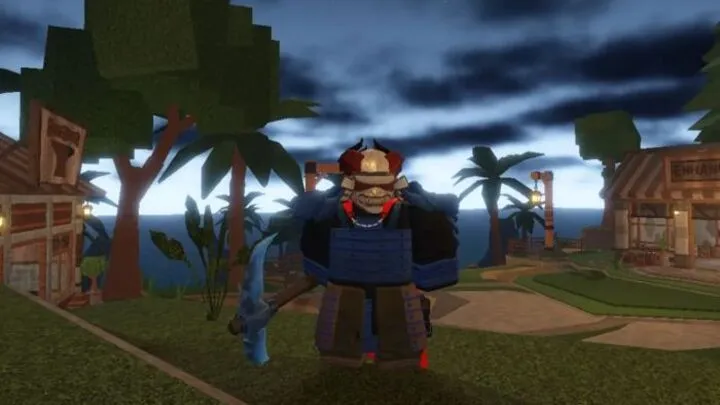
When The Forge first surfaced, reactions were mixed. Some players saw potential in its moody lighting, its gritty fantasy setting, and its stamina-based combat reminiscent of traditional action RPGs. Others doubted whether a game on Roblox could pull off the kind of precision timing and boss complexity typically expected from major titles on PC and console. But early supporters recognized immediately that The Forge was something different. The developers were not interested in following platform trends—they were determined to create a mechanically-dense, atmospheric, skill-driven game that could stand beside industry giants, not behind them.
The breakout moment came when the first long-form trailers circulated on social platforms. Viewers saw parries, dodge frames, fast-paced combos, heavy weapon commitment, and bosses with multi-stage attacks. The animation quality appeared far above Roblox’s norm, with weighty swings, sharp visual feedback, and grounded physics interactions. Suddenly, the conversation shifted from skepticism to excitement. Players flocked in to test the game, content creators produced early guides, and the foundation of the community began to form.
As updates rolled out, The Forge solidified its identity. Performance improvements made combat smoother. Enemy AI received more depth. Boss animations were polished. New weapons were added with unique mechanics, and late-game zones expanded the world. A game that once felt experimental had matured into a dynamic long-term project. The Forge became not just another Roblox game but a flagship example of the platform’s next evolutionary stage.
WORLD & LORE – SHAPING A DARK FANTASY UNIVERSE THROUGH ENVIRONMENTAL STORYTELLING
The Forge’s worldbuilding is understated yet effective. Instead of relying on walls of text, the game conveys its lore through environmental presentation—ruined structures, corrupted forests, abandoned outposts, and relics hint at a world once alive but now shattered by elemental chaos. This method mirrors the environmental storytelling style favored by modern RPGs: narrative conveyed through place, not exposition.
Every biome in The Forge feels distinct. The volcanic Ashlands glow with rivers of molten rock and dark silhouettes of once-industrial complexes. The Shattered Grove mixes natural beauty with eerie corruption, vines twisting around ancient ruins. The Iron Plateau hosts relics of war machines and towering cliffs that obscure the sky. These are not mere backdrops; their geography and enemy placements create mechanical challenges directly tied to the environment.
Even NPCs follow a restrained narrative philosophy. Their dialogue is brief but meaningful, offering breadcrumbs about past conflicts, lost civilizations, and strange anomalies. Rather than spelling out lore explicitly, the game invites players to speculate and construct meaning—an approach that strengthens immersion and community engagement. The minimalism of the storytelling is intentional: it leaves room for mystery, theorycrafting, and future expansions.
What makes the world feel cohesive is its hostility. The Forge’s lands are not designed for safety; they are arenas of survival where danger lurks in ambush points, narrow ledges, low-visibility fog, and hidden enemy routes. The environment is part of the game’s challenge, shaping the pacing and decision-making required from players. The Forge proves that environmental storytelling can thrive even within the technical constraints of Roblox when executed with vision and consistency.
COMBAT SYSTEM – THE HEART OF THE FORGE’S IDENTITY
At the core of The Forge’s success lies its combat system, a carefully balanced mix of reactive defense, aggressive offense, and resource progression. Unlike many Roblox games that rely on spammy hitboxes or simple click-to-swing mechanics, The Forge adopts a deliberate combat design based on stamina management, dodge iframes, combo timing, and situational awareness.
Weapons fall into several archetypes: light, medium, heavy, dual-wield, magic-enhanced, and experimental variants. Each category comes with distinct movesets, frame timings, and recovery windows. Light weapons reward precision and agility, allowing players to dart in and out of combat. Heavy weapons emphasize commitment—players deal massive damage but must time swings carefully. Magic-infused options offer ranged utility but require harder resource management.
Crucially, every attack has intentional weight. Animation canceling, directional dodging, perfect parries, and spacing discipline matter deeply. New players quickly learn that aggression without awareness results in punishment, while skilled players who master spacing can dismantle bosses that seem overwhelming.
Enemies are equally deliberate. They do not merely walk toward the player; they use varied tempo, feints, gap-closers, and combos. Some enemies punish panic rolling. Others read distance and attack in delayed patterns to punish predictable reactions. Elite enemies have specific counter windows that encourage learning patterns rather than random slashing. This attention to combat pacing elevates The Forge far beyond basic Roblox action games. It offers depth comparable to mainstream titles while maintaining accessibility for newcomers.
BOSS DESIGN – THE DEFINING FEATURE OF THE GAME’S ENDGAME STRUCTURE
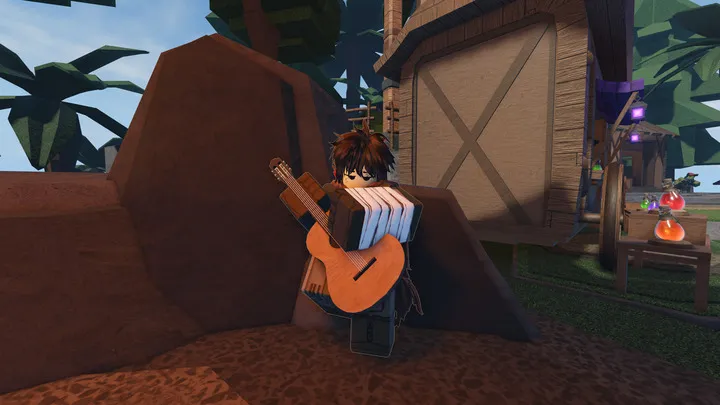
Bosses are the beating heart of The Forge. They define the game’s identity, shape its progression, and anchor its difficulty curve. Each boss presents a carefully crafted encounter built around telegraphed attacks, layered phases, mobility tests, and stamina management challenges.
The Ashborn Titan emphasizes arena control, using sweeping flame arcs that force players to reposition constantly. The Hollow Sentinel relies on precision strikes that reward perfect parries. The Corrupted Warden mixes mobility with shield mechanics, pushing players to adapt mid-fight. What sets these bosses apart is their rhythm: attacks come not at predictable intervals but in shifting patterns designed to challenge reaction times and punish complacency.
The Forge’s bosses do not rely on cheap difficulty. Visual telegraphs are clear, hitboxes are fair, and deaths almost always feel preventable. This balance of fairness and difficulty achieves what many action RPGs strive for: satisfaction. Players who defeat a difficult boss feel genuine accomplishment because the battle demanded learning, discipline, and consistency.
Boss variations also appear in multiplayer, where enemy health scales with player count but mechanics remain intact. This encourages coordination, role considerations, and tactical adjustments. The Forge’s boss design is a major contributor to its longevity, ensuring that each encounter feels memorable and replayable.
PROGRESSION & BUILDCRAFTING – LONG-TERM DEPTH THROUGH MEANINGFUL CHOICES
Progression in The Forge strikes a careful balance between grind and reward. Players level up by defeating enemies, completing quests, and discovering hidden chests. Stats improve gradually, but the real depth lies in buildcrafting. Weapons come with passive bonuses, affinity paths, elemental modifiers, and upgrade tiers. Each upgrade choice influences playstyle significantly.
Armor sets provide defensive bonuses, stamina improvements, resistance traits, and unique interactions with certain weapon types. Accessories unlock additional layers of customization, such as increased crit chance, stamina regen boosts, or special effect triggers after parrying. Even small upgrades feel meaningful, creating a satisfying loop of improvement that pushes players deeper into the world.
Crafting materials are scattered throughout zones, requiring exploration and combat mastery to obtain. This encourages players not to rush but to immerse themselves in each biome fully. Progression is not just about numbers—it is about understanding your tools, adapting your loadout to upcoming encounters, and experimenting with new synergies.
The build depth rivals full-scale RPGs, proving that Roblox can support advanced systems when designed thoughtfully. It is this complexity that keeps veteran players engaged long after completing the main storyline.
MULTIPLAYER EXPERIENCE – CO-OP DEPTH BEYOND BASIC MATCHMAKING
Multiplayer is both a social feature and a mechanical enhancement in The Forge. Co-op play transforms battles, offering new strategies, aggro manipulation, group synergy, and dynamic arena control. Players coordinate roles: one may bait boss attacks while others punish openings. Light weapon users maintain mobility, while heavy weapon users anchor the team with stagger damage.
Multiplayer also fuels the community. New players often join veteran lobbies for assistance, forming spontaneous alliances. Guilds and organized groups run challenge events, speedrun competitions, and boss races. The lack of PvP ensures the community remains cooperative rather than toxic, fostering teamwork and shared discovery.
What stands out is that multiplayer does not trivialize content. Bosses scale in health and aggression, forcing coordinated behavior. Poor communication leads to wipes, reinforcing the importance of teamwork. This design strengthens social bonds and encourages long-term engagement.
TECHNICAL EXECUTION – PUSHING THE ROBLOX ENGINE TO ITS LIMITS
The Forge is one of the most technically sophisticated games on Roblox. It utilizes advanced scripting, animation blending, dynamic lighting, fog simulation, and scene optimization techniques to deliver a visually polished experience. Weather cycles, particle effects, hitbox precision, and AI logic all push the engine toward its upper bounds.
Recent updates brought major performance boosts:
– reduced particle overhead
– optimized foliage rendering
– improved damage calculations
– reworked pathfinding
– lower memory usage across biomes
Players on mid-range devices report smoother combat, better framerates, and vastly reduced stutter during boss encounters. These improvements demonstrate the developers’ commitment to long-term quality and platform inclusivity.
ECONOMY, LOOT, AND ENDGAME SYSTEMS – KEEPING PLAYERS INVESTED LONG-TERM
Endgame in The Forge revolves around mastery, optimization, and challenge escalation. Players return to zones to farm rare materials, reforge weapons, and refine builds for difficult boss variants. The loot economy favors meaningful drops over quantity. Rare items carry unique traits, encouraging experimentation and build specialization.
Seasonal events introduce new endgame loops, temporary modifiers, and exclusive cosmetic rewards. This seasonal structure resembles mainstream live-service games, keeping the community engaged between major updates.
The Forge’s endgame succeeds because it respects player time: farming is purposeful, rewards are impactful, and challenges remain engaging.
COMMUNITY CULTURE – HOW THE PLAYERBASE SUSTAINS THE GAME’S GROWTH
The Forge’s community is one of the most passionate on Roblox. Players share builds, routes, speedrun strategies, and boss guides. Content creators stream boss attempts, analyze frame data, and break down patch notes. The devs frequently engage with the community, collecting feedback and addressing balance concerns.
Fan art, lore theories, and community events create a thriving ecosystem outside the game. The sense of shared discovery strengthens the community’s identity, ensuring long-term sustainability.
LONG-TERM POTENTIAL – A GAME STILL EARLY IN ITS LIFECYCLE