Pacific Drive – A Complete How-To Guide to Surviving the Olympic Exclusion Zone
Introduction
Pacific Drive is a survival driving game that blends exploration, mystery, and resource management into a unique experience centered around one thing: your car. Unlike traditional survival games where players control a character directly, Pacific Drive makes your vehicle both your lifeline and your greatest responsibility. Every journey into the dangerous Olympic Exclusion Zone is a risk, filled with environmental anomalies, unpredictable hazards, and limited resources.
Success in Pacific Drive depends on preparation, smart driving, and learning how to maintain and upgrade your vehicle under pressure. The Zone constantly changes, meaning no two expeditions feel the same. Players must gather materials, repair damage, and escape before conditions become deadly.
This guide explains how to survive and thrive in Pacific Drive, covering preparation, exploration strategies, vehicle maintenance, anomaly survival, and long-term progression.
1. Understanding the Core Gameplay Loop
Pacific Drive revolves around repeated expeditions into hazardous zones.
Each run generally follows this structure:
- Prepare your vehicle in the garage
- Select a route into the Zone
- Explore and gather resources
- Survive environmental anomalies
- Escape safely before instability increases
The key objective is not simply exploration but returning alive with resources.
Players who stay too long often lose valuable progress.
Understanding when to leave is as important as knowing where to go.
2. Learning Your Car’s Systems
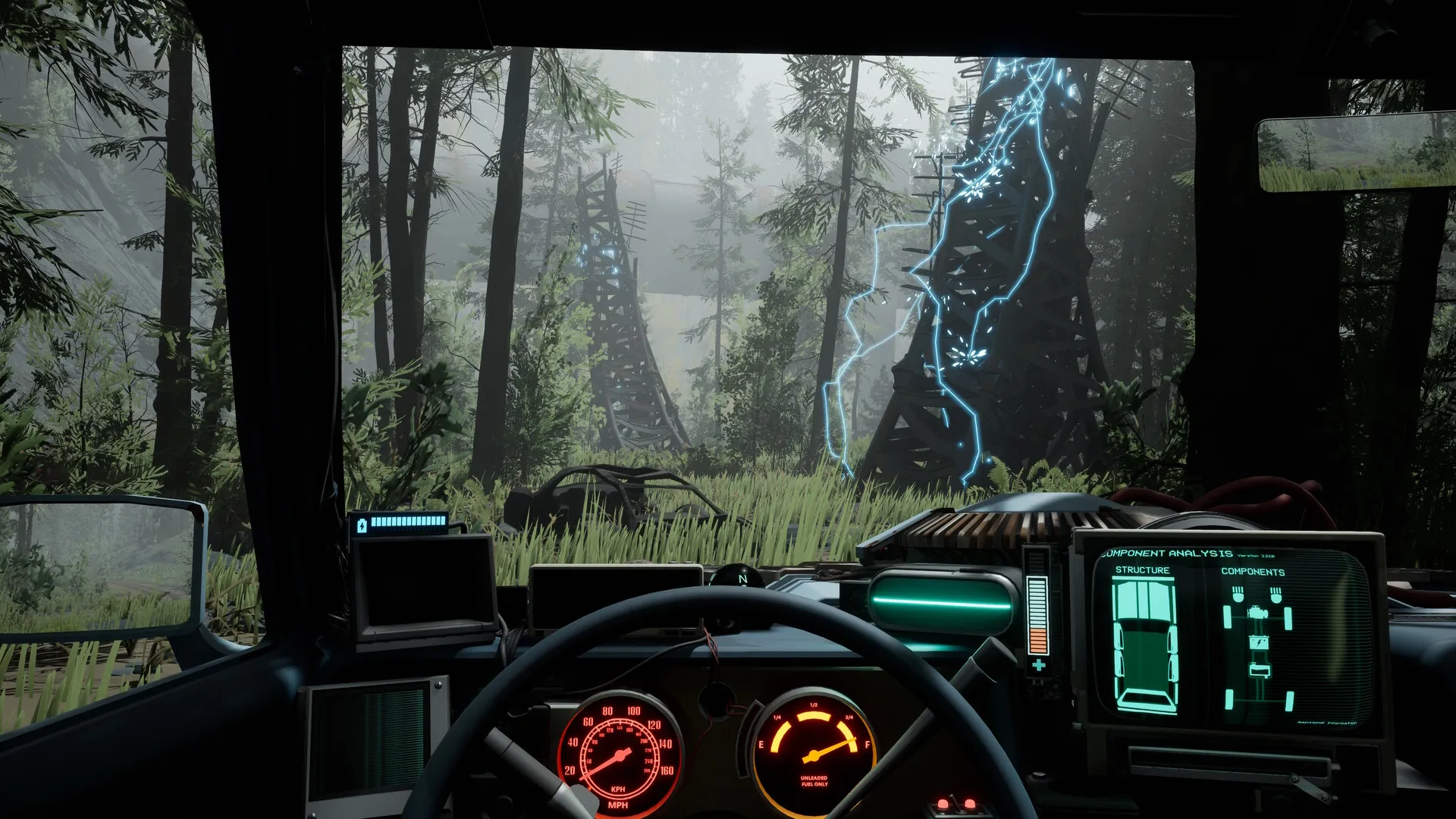
Your station wagon is more than transportation—it is your survival system.
Important vehicle components include:
- Engine performance
- Tire durability
- Battery power
- Fuel levels
- Structural integrity
Each system can fail independently.
Ignoring small problems often leads to catastrophic breakdowns during dangerous moments.
Regular inspection prevents unexpected failures.
3. Preparing Before Every Expedition
Preparation determines survival chances.
Before leaving the garage, always check:
- Fuel tank status
- Spare repair materials
- Battery charge
- Storage capacity
Essential items to carry:
- Repair kits
- Spare parts
- Extra fuel
- Emergency tools
Planning ahead reduces panic during emergencies.
Rushing into the Zone unprepared is one of the most common beginner mistakes.
4. Navigating the Exclusion Zone
The Zone is procedurally generated and constantly shifting.
Road conditions vary between:
- Broken highways
- Forest paths
- Abandoned facilities
- Hazardous anomaly areas
Using the map effectively helps plan safer routes.
Avoid unnecessary detours early in the game until your vehicle becomes stronger.
Exploration should balance curiosity with caution.
5. Understanding Environmental Anomalies
Anomalies are strange phenomena that threaten both driver and vehicle.
Examples include:
- Electrical storms draining battery power
- Gravity distortions pulling objects
- Explosive energy fields
- Moving environmental hazards
Each anomaly has patterns.
Observing behavior before approaching helps avoid damage.
Sometimes slowing down is safer than speeding through danger.
6. Managing Resources Efficiently
Resources gathered during runs allow upgrades and repairs.
Common materials include:
- Scrap metal
- Chemicals
- Electronics
- Energy fragments
Storage space is limited, forcing players to prioritize valuable materials.
Focus on items required for upcoming upgrades rather than collecting everything.
Efficient resource decisions accelerate progression.

7. Repairing Damage in the Field
Damage is inevitable during expeditions.
Field repairs allow players to continue runs without returning immediately.
Quick repair priorities:
- Tires — mobility is essential
- Engine — prevents total shutdown
- Doors and panels — reduce environmental damage
Stopping in safe areas before repairing reduces risk.
Performing repairs during active anomalies can worsen situations.
8. Upgrading the Garage
The garage acts as your long-term progression hub.
Upgrades unlock:
- Advanced crafting stations
- Stronger vehicle parts
- Better storage solutions
- Improved diagnostic tools
Investing early in workshop upgrades increases survival efficiency dramatically.
The garage transforms from a basic repair station into a technological safe haven.
9. Improving Driving Skills
Driving technique directly impacts survival.
Helpful habits include:
- Avoid sudden turns on damaged roads
- Slow down near anomaly zones
- Maintain steady acceleration
- Watch terrain carefully
Reckless driving causes more damage than enemies or hazards.
Smooth driving conserves both fuel and vehicle condition.
10. Knowing When to Escape
Every expedition becomes more dangerous over time.
Signs you should leave:
- Increasing environmental instability
- Critical vehicle damage
- Low fuel or battery
- Inventory full of valuable resources
Escape portals allow players to exit safely.
Waiting too long risks losing everything collected during the run.
Successful players prioritize survival over greed.

11. Managing Psychological Pressure
Pacific Drive creates tension through atmosphere and uncertainty.
Players may feel pressured to continue exploring despite rising danger.
Maintaining calm decision-making is essential.
Helpful mindset strategies:
- Set goals before each run
- Avoid unnecessary risks
- Accept partial success as progress
Survival games reward patience more than aggression.
12. Long-Term Progression Strategy
As upgrades improve your vehicle, new regions become accessible.
Long-term goals include:
- Unlocking advanced car modules
- Surviving extreme anomaly zones
- Expanding storage and durability
- Discovering story elements hidden in the Zone
Progression is gradual but rewarding.
Each successful expedition builds confidence and capability.
13. Mastering the Survival Rhythm
Pacific Drive becomes easier once players understand its rhythm:
Prepare → Explore → Collect → Escape → Upgrade → Repeat.
Learning this cycle transforms chaotic early experiences into controlled adventures.
Players who respect the Zone’s dangers eventually learn how to navigate it efficiently.
Mastery comes from consistency rather than speed.
Conclusion
Pacific Drive offers a unique survival experience centered on exploration, preparation, and vehicle care. Success depends on understanding your car, managing resources carefully, and recognizing when to push forward or retreat.
By mastering preparation routines, learning anomaly behaviors, upgrading strategically, and driving carefully, players can survive the unpredictable Olympic Exclusion Zone and uncover its mysteries.
Every journey becomes a story of survival, where your vehicle is not just equipment—but your trusted partner.
160-Character Summary
A complete Pacific Drive guide covering vehicle survival, anomaly navigation, resource management, upgrades, and strategies for successful expeditions.