.webp)







Introduction
Outward is an open-world RPG that deliberately rejects traditional power fantasies. There are no chosen heroes, no fast travel safety nets, and no automatic success systems. Instead, the game demands preparation, patience, and respect for its survival mechanics. Players who rush in expecting standard RPG comfort often find themselves starving, diseased, or defeated within hours.
This guide focuses on practical, experience-driven tips to help players survive early mistakes, build sustainable characters, and succeed in Outward’s harsh world. Rather than covering basic controls, these tips explain how to think like the game expects you to think — cautiously, strategically, and with long-term planning in mind.
Understanding Outward’s Survival-First Design
Outward is not about combat first — it is about survival. Hunger, thirst, temperature, fatigue, and disease are constant pressures that shape every decision. Ignoring these systems leads to cascading failure long before enemies become dangerous.
Players who succeed treat travel as preparation-heavy expeditions rather than casual exploration. Planning routes, supplies, and escape options is more important than fighting strength. Accepting this mindset early prevents frustration and wasted time.
The world is not balanced to protect you. You must protect yourself.
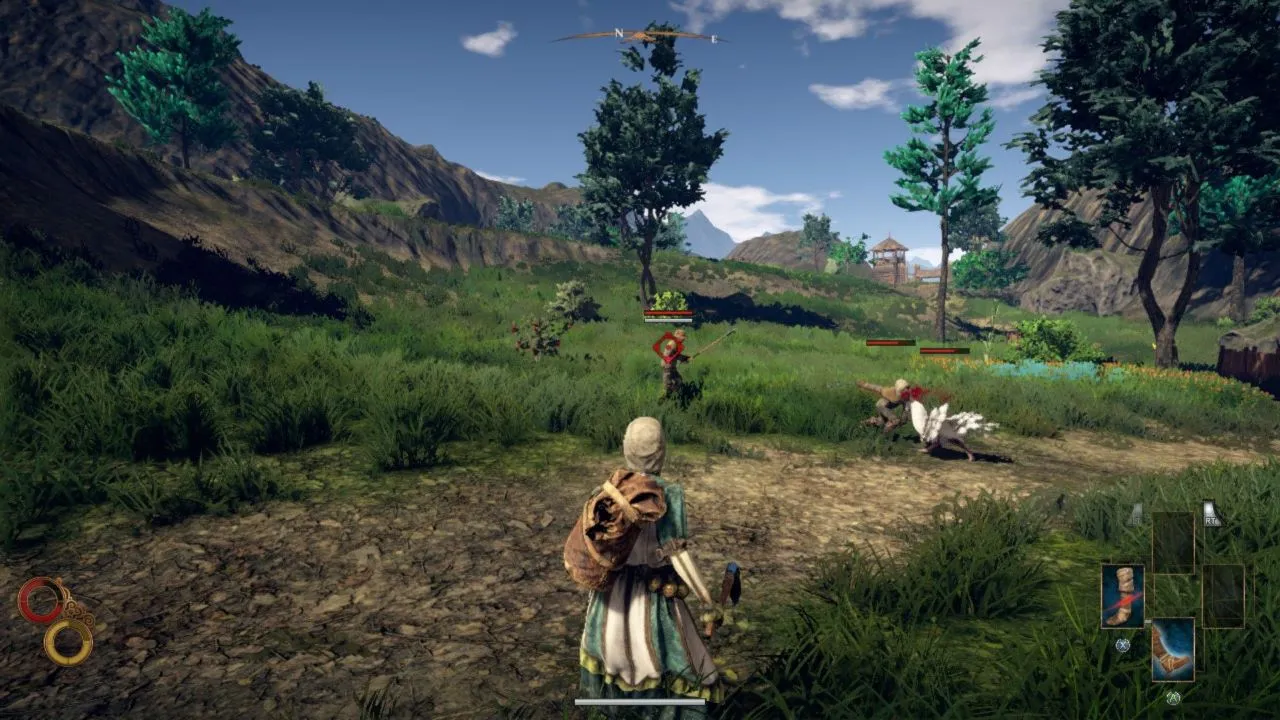
Early Game Priorities and Safe Progression
The opening hours of Outward are the most punishing. You begin with weak gear, limited knowledge, and no margin for error. Many players lose everything simply by wandering too far too soon.
Focus early on earning silver safely, securing basic gear, and learning enemy behavior near starting areas. Avoid unnecessary fights and prioritize survival skills over combat dominance.
Progression in Outward is slow by design — patience pays off.
Managing Hunger, Thirst, and Fatigue
Food and water are not optional mechanics. Starvation and exhaustion cripple combat performance and can easily lead to death.
Cooked food provides buffs beyond hunger recovery, making cooking a strategic advantage rather than a chore. Managing sleep cycles ensures stamina regeneration and skill effectiveness.
Smart players always travel with surplus supplies rather than minimum requirements.
Combat Fundamentals and Risk Control
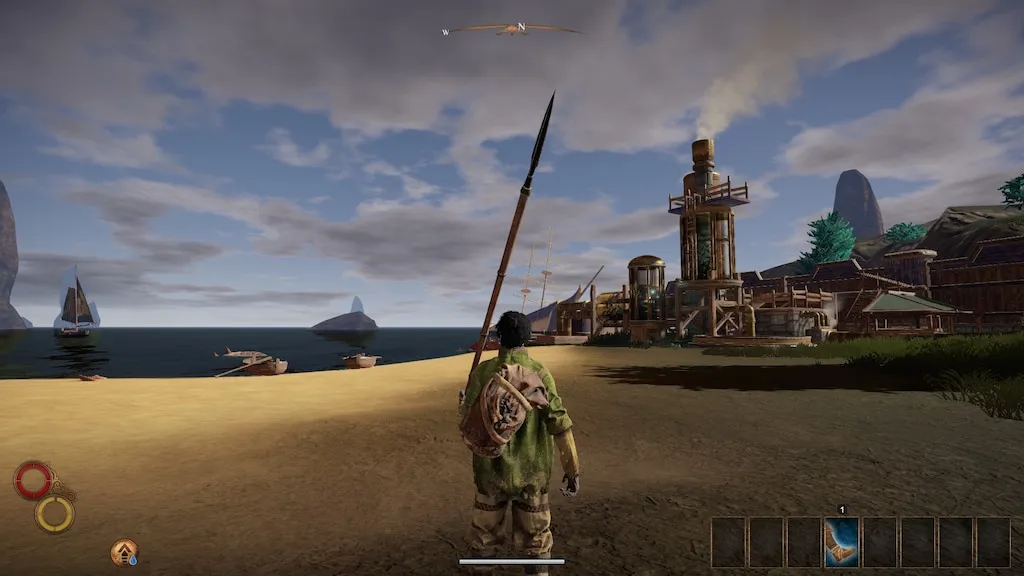
Combat in Outward is deliberate and punishing. Button-mashing leads to stamina drain and exposure. Every attack commits your character and opens counterattack windows.
Learning enemy patterns, spacing, and disengagement is critical. Blocking, dodging, and retreating are survival tools, not signs of weakness.
Winning fights consistently is about control, not aggression.
Choosing Skills and Specializations Carefully
Outward limits how many breakthrough skills a character can unlock. This makes early specialization choices permanent and impactful.
Avoid spreading skills across incompatible playstyles. Decide early whether your character favors melee, magic, traps, or hybrid tactics.
Focused builds perform better and require fewer resources to maintain.
Gear Selection and Load Management
Equipment weight directly affects stamina consumption and movement speed. Heavier gear offers protection but reduces mobility.
Players often over-armor themselves and become exhausted during fights. Finding a balance between defense and endurance is essential.
Sometimes lighter gear leads to higher survival than heavy armor.
Exploration, Travel, and Map Awareness
Outward’s world offers no minimap or GPS guidance. Navigation relies on landmarks, memory, and planning.
Traveling at the wrong time of day or during extreme weather increases danger significantly. Setting up camps and knowing retreat paths prevents costly mistakes.
Exploration should always be intentional, not impulsive.
Dealing With Death and Setbacks
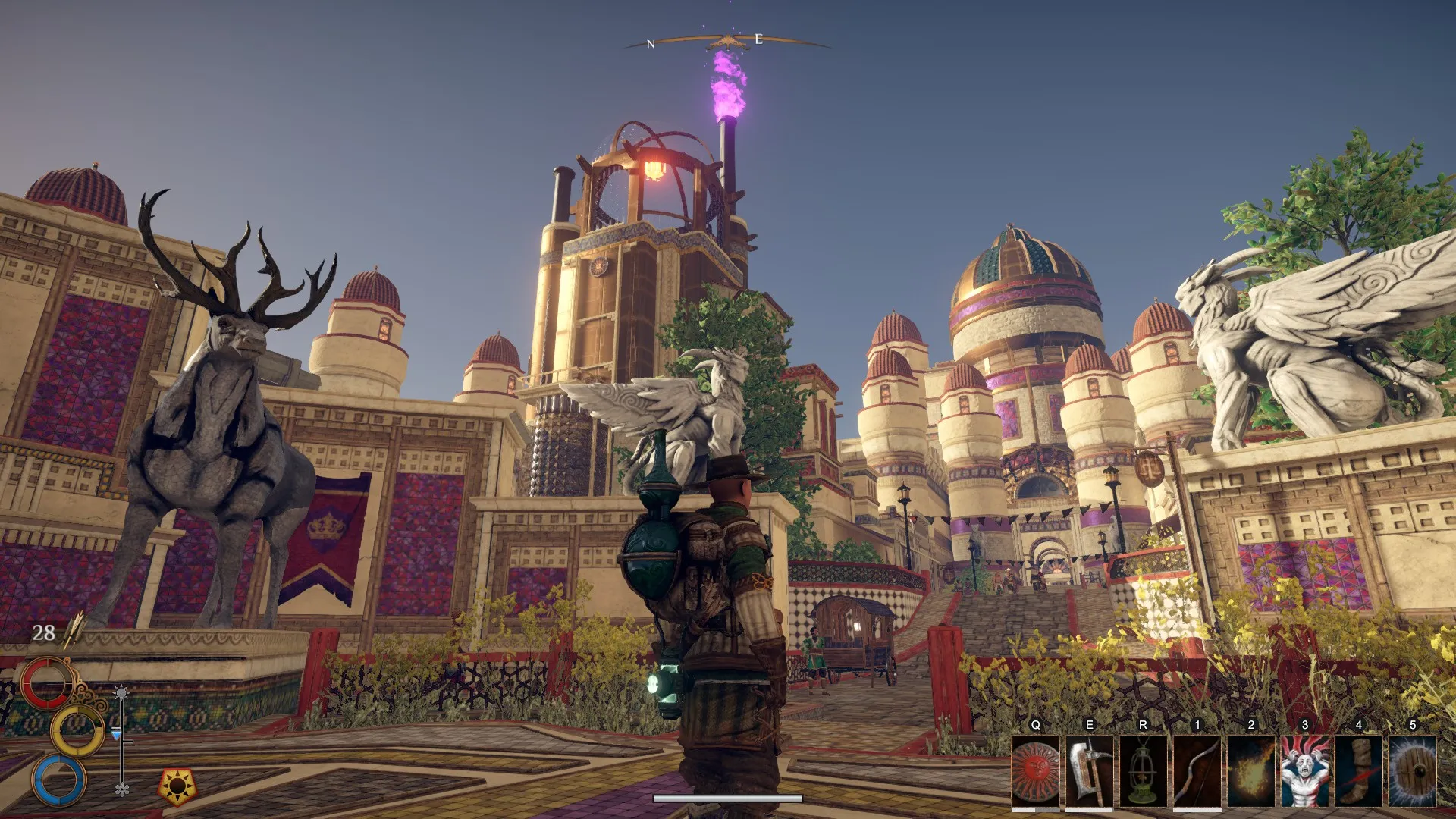
Death in Outward does not simply reset progress. Instead, it introduces consequences such as captivity, injury, or displacement.
These scenarios are part of the game’s storytelling and challenge. Learning how to recover after failure is as important as avoiding it.
Panicking after death often worsens the situation.
Economy, Trading, and Resource Management
Silver is scarce early and easy to waste. Buying unnecessary items slows progression dramatically.
Crafting, looting, and selective trading provide steady income without high risk. Learning merchant routes and restock cycles improves efficiency.
Wealth in Outward is built slowly, not earned explosively.
Scaling Into Mid and Late Game Content
As players gain experience and better gear, Outward becomes less punishing — but never forgiving. Stronger enemies demand preparation rather than brute force.
Late-game success depends on synergy between skills, gear, consumables, and terrain usage. Overconfidence remains the biggest threat.
Prepared players dominate encounters that overwhelm careless ones.
Conclusion
Outward is a game that rewards humility, patience, and foresight. It challenges players to slow down, think ahead, and respect its systems rather than overpower them.
By focusing on survival fundamentals, controlled combat, and intentional progression, players can turn a brutal experience into a deeply satisfying journey. Outward is not about becoming powerful quickly — it is about earning every step forward.
160-Character Summary
A detailed Outward guide covering survival mechanics, combat strategy, skill choices, and how to progress safely in a brutal open world.