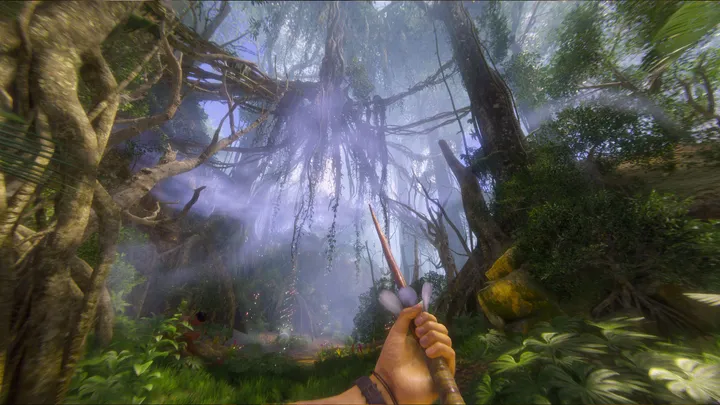






Escape from Naraka is a first-person obstacle and parkour game that challenges players with brutal precision, relentless traps, and unforgiving level design. Inspired by mythological themes and classic trial-based games, it places heavy emphasis on reflexes, timing, and mental endurance rather than combat or character progression.
This guide is designed to help players survive longer, make fewer mistakes, and approach each level with a clear and disciplined mindset. Whether you are new to the genre or struggling with later stages, these tips will help you move more confidently through Naraka’s deadly trials.
1. Understanding the Core Gameplay Philosophy
Precision Over Speed
Escape from Naraka is not about rushing through levels. While some sections encourage momentum, most challenges reward patience and precision.
Moving too quickly often leads to mistimed jumps and unnecessary deaths.
Trial-Based Progression
The game expects failure. Death is part of the learning loop, not a punishment.
Each attempt teaches you enemy patterns, trap timing, and safe routes.

2. Mastering Basic Movement Controls
Consistent Input Control
Movement mechanics are simple but strict. Small mistakes in direction or timing are heavily punished.
Practicing consistent jump distances and landing angles improves reliability.
Camera Control Matters
Your camera angle directly affects movement accuracy.
Keeping the camera steady during jumps helps align landings and avoid disorientation.
3. Learning Trap Patterns and Timing
Observing Before Acting
Most traps follow fixed or rhythmic patterns.
Take a moment to observe blades, spikes, and moving platforms before attempting to pass.
Timing Is More Important Than Reflex
Reacting too early or too late leads to failure.
Successful players move in sync with trap cycles rather than reacting impulsively.
4. Developing Jump and Platforming Precision
Understanding Jump Distance
Jump distance in Escape from Naraka is consistent but unforgiving.
Misjudging distance by even a small margin results in falling or hitting traps.
Landing Position Awareness
Landing near platform edges is risky.
Aim for the center whenever possible to allow room for recovery.

5. Managing Momentum and Speed Sections
Controlled Acceleration
Some sections require forward momentum to clear gaps.
Build speed gradually rather than forcing movement at the last second.
Knowing When to Stop
Not every section benefits from speed.
Recognizing when to slow down is critical for survival.
6. Mental Discipline and Frustration Control
Staying Calm After Death
Frequent deaths are expected and normal.
Allowing frustration to build leads to rushed mistakes.
Resetting Focus Between Attempts
Brief pauses between attempts help restore concentration.
Treat each run as a fresh attempt rather than a continuation of failure.
7. Checkpoint Strategy and Progress Management
Learning From Each Checkpoint
Checkpoints are learning milestones, not just progress markers.
Analyze what worked and what failed before moving forward.
Avoiding Repetition Mistakes
Repeating the same mistake indicates a misunderstanding of mechanics.
Adjust approach instead of brute-forcing progress.
8. Advanced Movement and Recovery Techniques
Mid-Air Adjustment
Small directional inputs during jumps can slightly adjust trajectory.
Use these adjustments sparingly to correct mistakes.
Recovering From Bad Landings
Some imperfect landings are survivable with quick stabilization.
Learning recovery timing reduces unnecessary deaths.

9. Understanding Level Design Language
Visual Cues and Warnings
Level design often hints at danger through lighting, spacing, and layout.
Recognizing these cues helps anticipate upcoming challenges.
Recognizing Safe Routes
Not all visible paths are intended routes.
Look for consistent platform spacing and alignment as indicators of safe movement.
10. Building Long-Term Skill and Confidence
Gradual Skill Improvement
Skill in Escape from Naraka builds incrementally.
Small improvements in timing and control compound over time.
Trusting Muscle Memory
Overthinking can disrupt learned movement patterns.
Trust your instincts once mechanics become familiar.
Conclusion
Escape from Naraka is a test of patience, precision, and mental resilience. The game rewards players who remain calm under pressure, observe patterns carefully, and treat failure as a learning tool rather than a setback.
By applying the tips and strategies in this guide, players can reduce frustration, improve consistency, and steadily progress through Naraka’s punishing but rewarding trials.