 more9game.com
How to Fish Tips and Guide: Master Fishing Techniques, Catch Rare Fish, and Improve Your Skills
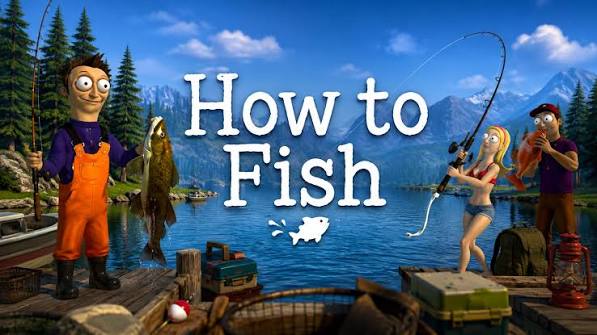
Introduction: Learn How to Fish More Effectively
Fishing games offer a relaxing experience, but catching fish consistently often requires more than simply casting a line and waiting. In games built around fishing mechanics, players must learn how to choose suitable equipment, identify promising fishing locations, select the right bait, and control the fishing line when a fish takes the hook. Understanding these mechanics can make the difference between repeatedly losing catches and steadily improving your fishing results.
How to Fish is a useful topic for players who want to understand fishing gameplay from the ground up. Whether you are exploring a casual fishing game, learning the mechanics of a fishing simulator, or trying to catch larger and rarer fish, a structured approach helps you make better decisions. Because different games use different controls and progression systems, the tips in this guide focus on widely applicable fishing techniques rather than assuming that every game uses identical mechanics.
This guide covers the entire fishing process, from preparing your equipment and choosing a location to casting, bait selection, reeling, catching rare fish, and improving your overall performance. By following these tips and practicing consistently, you can develop a more reliable fishing strategy and get more enjoyment from your fishing adventures.
1. Understand the Basic Fishing Mechanics Before You Start
Before attempting to catch rare or valuable fish, learn how the fishing system works in your game. Most fishing games follow a sequence that includes selecting equipment, choosing a fishing location, casting a line, waiting for a bite, hooking the fish, and successfully reeling it in. Some games simplify these actions into a few button presses, while others simulate line tension, fish stamina, casting distance, and water conditions.
Start by exploring the tutorial, control settings, or beginner missions. These introductory activities often explain how to equip a rod, attach bait, cast toward a target, and respond when a fish bites. Learning these mechanics early prevents unnecessary equipment losses and helps you understand what causes a catch to succeed or fail.
Essential controls to learn
- Equip: Select the fishing rod, reel, bait, and other required equipment.
- Cast: Send your fishing line into the water.
- Wait: Monitor visual indicators, movement, or sound cues that signal a bite.
- Hook: Respond at the appropriate moment when a fish takes the bait.
- Reel: Retrieve the line while managing the fish's movement.
- Release or keep: Follow the game's rules for keeping a catch, selling it, or returning it to the water.
Tips for beginners
Practice in a safe, beginner-friendly location before visiting difficult fishing areas. Use inexpensive equipment while learning the controls, and pay attention to any messages displayed when a fish escapes.
If the game offers a training mode, complete it before attempting challenging catches. A few minutes spent learning the mechanics can save time and resources later.
2. Choose the Right Fishing Rod, Reel, and Line
Fishing equipment determines which fish you can target and how easily you can control a catch. A basic rod may be sufficient for small fish in shallow water, but larger species may require stronger equipment and more careful line management.
The best equipment is not always the most expensive option available. Instead, select gear that matches the fish you intend to catch. Using a powerful rod for small fish may be unnecessary, while using weak equipment against a large fish can make the encounter much harder.
How to select a suitable fishing rod
Consider the rod's strength, casting range, control, and any bonuses offered by the game. A rod with a longer casting range can help you reach distant fishing spots, while a stronger rod may make it easier to handle heavy catches.
If your game includes equipment upgrades, compare the benefits before spending your currency. A balanced upgrade that improves several useful attributes may be more valuable than a specialized item you rarely use.
Reel and line tips
The reel and fishing line are particularly important in games that simulate resistance and tension. A stronger line may reduce the risk of breaking when a large fish pulls away, while a suitable reel can improve retrieval speed or control.
Before upgrading, consider these questions:
- Does the equipment support the weight of your target fish?
- Does it improve casting distance or retrieval control?
- Is the upgrade necessary for your current fishing location?
- Will the purchase leave enough currency for bait and other essential items?
Pro tip: Upgrade according to your next objective
Do not purchase every available upgrade immediately. Identify the fish or fishing location you want to unlock next, then invest in the equipment needed to reach that goal.
3. Find the Best Fishing Spots and Understand Water Conditions
Fishing location can have a major impact on the species you encounter. Different areas may contain different fish populations, sizes, rarity levels, and environmental conditions. A location that produces frequent small catches may not be the best place to search for a rare or valuable fish.
Explore the available fishing map and look for clues such as water depth, vegetation, rocks, underwater structures, or marked fishing zones. In games with detailed environments, these features may indicate places where fish are more likely to gather.
How to identify promising fishing locations
Start by testing several accessible areas and recording the results. Note which fish appear, how frequently bites occur, and whether particular bait seems more effective in one location than another.
If the game provides a fish encyclopedia, location guide, or collection menu, use it to identify where specific species can be found. This is often more efficient than repeatedly fishing in the same area without a clear objective.
Explore different water environments
Some fishing games feature rivers, lakes, ponds, coastal areas, and deeper offshore waters. These environments may contain different species and require different equipment.
- Ponds: Often suitable for learning basic mechanics and catching smaller fish.
- Rivers: May reward players who explore different currents and depths.
- Lakes: Can offer a wider variety of fish and different fishing conditions.
- Coastal waters: May contain species that require stronger equipment.
- Deep water: Can provide challenging targets in games with depth-based fishing systems.
These are general patterns rather than universal rules. Always check the mechanics of your specific game before spending resources traveling to a new location.
Pro tip: Keep a fishing log
Record the location, bait, equipment, and results of each successful fishing session. Over time, this information helps you identify which combinations work best for your goals.
4. Select the Right Bait and Lure for Your Target Fish
Bait selection is one of the most important decisions in fishing gameplay. Different fish may respond to different types of bait, and some games reward players for matching a particular lure to a species, depth, or fishing environment.
Begin by identifying the fish you want to catch. If the game provides information about its diet, preferred bait, or habitat, use that information to guide your selection. When no details are available, experiment with inexpensive bait and compare the results.
Common bait and lure categories
Natural bait: Worms, insects, and other food-based items may attract smaller fish or species that feed near the bottom.
Artificial lures: These may be designed to imitate smaller fish or other prey. Their effectiveness can depend on movement, retrieval speed, and the target species.
Specialized bait: Some games offer rare or premium bait that increases the chance of encountering specific fish or improves catch quality.
Event bait: Limited-time fishing events may introduce special bait or species. Check the event instructions before spending resources on unfamiliar items.
How to test bait effectively
- Choose a location where your target fish can appear.
- Select one type of bait.
- Fish for a consistent period or number of casts.
- Record the number and type of catches.
- Change the bait and repeat the test.
- Compare the results before deciding which bait to use regularly.
Changing several variables at once makes it difficult to determine why your results improved. Testing one bait at a time gives you clearer information about its effectiveness.
Avoid wasting rare bait
Save expensive or limited bait for locations where the intended fish is known to appear. Using specialized bait in an unsuitable area may waste resources without producing a better catch.
5. Master Casting Distance, Accuracy, and Timing
Casting determines where your bait lands and how effectively you can reach potential fishing targets. In simple games, casting may involve selecting a direction and pressing a button. More advanced simulators may require you to control power, angle, timing, and line placement.
Accurate casting can be more useful than maximum distance. If fish are concentrated near a particular structure or fishing zone, landing your bait in that area may produce better results than casting as far as possible.
Practice your casting technique
Start with short and medium-distance casts until you understand how the controls affect